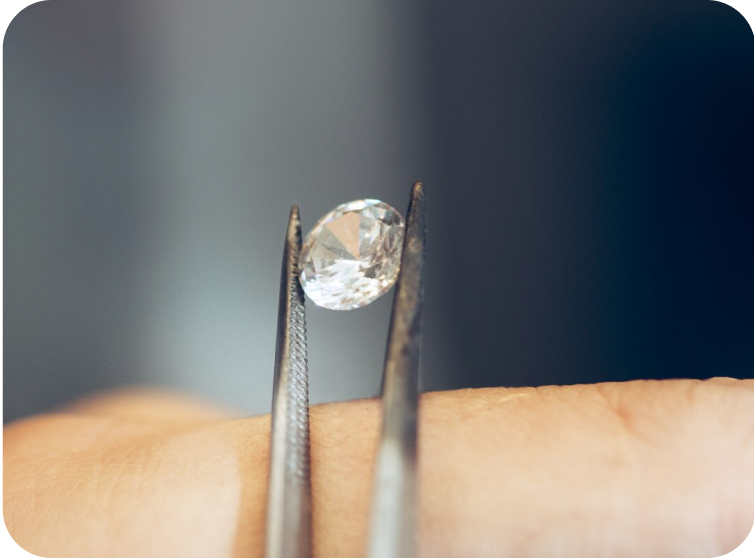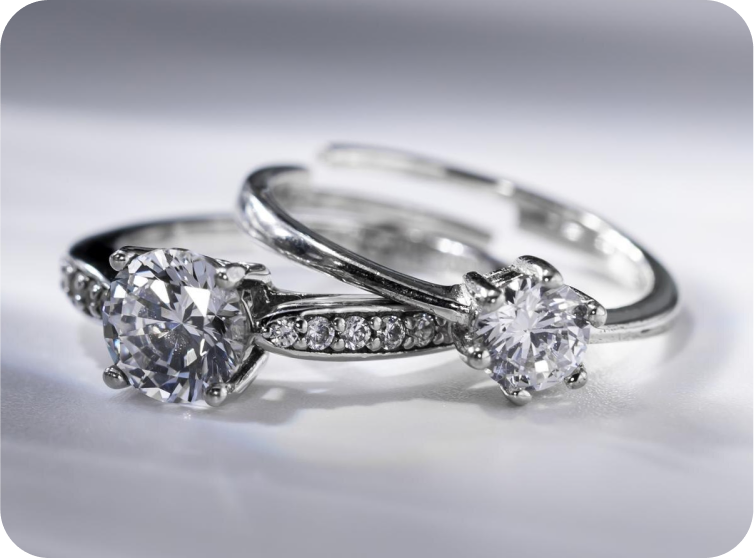
A turquoise cuff from an estate can look like an easy sale until you have to choose where to sell it. An auction house may promise competitive bidding. A jewelry dealer may make a direct offer and pay promptly. In the dealer versus auction decision, the better path depends on what you own, how quickly you want to sell, and how much uncertainty you are willing to accept.
For most everyday vintage jewelry, the question is less about finding the highest possible number on paper and more about understanding the net amount, timeline, and level of effort involved. A tested sterling silver ring, a gold chain, or a well-made vintage brooch has real value. The right selling method should make that value clear without creating unnecessary surprises.
Dealer versus auction: the basic difference
A dealer buys jewelry directly from you. Once you agree on a price, the transaction is generally complete. The dealer takes on the work and risk of cleaning, testing, photographing, pricing, marketing, storing, and eventually reselling the piece. That is why a direct purchase offer is based on the dealer’s realistic resale value, not simply the highest price a similar item may have brought in an ideal setting.
An auction house usually sells the item on your behalf. Your jewelry is cataloged, placed in a scheduled sale, and offered to bidders. If it sells, the auction house deducts its seller commission and any applicable fees before sending your proceeds. The final result can be strong when several qualified buyers want the same piece. It can also be disappointing when interest is limited, the estimate is too ambitious, or the item does not meet reserve.
Neither option is automatically better. A direct dealer sale favors certainty and convenience. An auction favors market exposure and can reward rare pieces with a documented collector audience.
What a direct dealer offer is really paying for
A reputable vintage jewelry dealer evaluates more than a quick glance at the metal. The offer may reflect precious-metal content, gemstones, condition, maker marks, construction quality, age, style demand, and how confidently the item can be represented to a future buyer.
For example, a plain 14K gold bracelet may be valued mostly for its gold content and wearable condition. A signed mid-century bracelet, an exceptional Native-made turquoise piece with credible attribution, or a finely crafted Art Deco ring may bring more than its material value because the design and collectibility matter. A knowledgeable dealer recognizes these distinctions before making an offer.
The advantage to the seller is clarity. You know the amount before you hand over the jewelry, rather than waiting for an auction result weeks or months later. There is no wondering whether a bidder will appear, whether a reserve will be met, or whether deductions will cut more deeply into the final price than expected.
The trade-off is that a dealer needs room to resell the item. An offer will usually be below the eventual retail price because the dealer is taking on inventory costs and the possibility that the piece will take time to sell. That is not a flaw in the process. It is the cost of receiving a known price now.
When an auction can make sense
Auction is most compelling when a piece has a reason to attract competing collectors. That might include jewelry by a recognized maker, a scarce signed design, an important period piece, an unusual high-quality gemstone, or an item with strong documentation and provenance. These pieces can benefit from being shown to an audience already looking for that exact category.
Competition is the central appeal. Two determined buyers can push a final price beyond a dealer’s conservative resale calculation. This is especially possible for museum-quality examples, rare designer jewelry, and collectible Native jewelry with clear, accurate maker information.
Still, auction prices are not guarantees. A desirable item offered in the wrong sale, during a slow season, or with weak cataloging may not reach its potential. Estimates can influence bidder behavior, and an item that fails to sell may need to be relisted, reduced, or collected by the seller. Some auction houses also have minimum value requirements, so a nice wearable piece may not qualify for a specialty sale at all.
Before consigning, ask for the seller’s commission, photography and cataloging costs, insurance terms, reserve policy, payment schedule, and any fee charged if the item does not sell. The important figure is not the hammer price. It is what will arrive in your hands after every deduction.
Compare the net result, not the headline price
It is easy to compare a dealer’s offer with an auction estimate and assume the estimate is more money. Those are different numbers. A dealer’s offer is typically a direct payment. An auction estimate is a prediction of what bidding might produce before commissions, fees, and the possibility of no sale.
Say a dealer offers $500 for a vintage sterling silver and turquoise necklace. An auction house may estimate it at $650 to $900. That range may sound better, but it is not a final payout. If the necklace sells at $700 and the seller commission is 20%, the proceeds are $560 before any additional charges. If it does not sell, you may have spent time waiting without a completed sale.
That does not mean the dealer offer is always the best financial choice. If the necklace is a particularly scarce signed work and the auction house has a strong audience for that maker, competitive bidding could justify the wait. The point is to compare the realistic net result against the certainty of a direct offer.
Authentication changes the conversation
Vintage jewelry is not a commodity category. A mark can be worn down, a stone may have been replaced, and a piece described casually as sterling or Native American can require closer examination. Good information protects both the seller and the next buyer.
A specialized dealer should test metal rather than rely only on a stamp, examine stones and construction, and be careful about maker or cultural attribution. Honest uncertainty is better than an inflated claim. A bracelet can still be beautiful and valuable without attaching a name or origin that cannot be supported.
This is one reason a jewelry-focused buyer can be a practical choice for estate sellers. General auction services, pawn shops, and online resale platforms all operate differently, but not all have the same depth of knowledge in vintage silver, turquoise, gold, watches, or artisan-made jewelry. Expertise affects both the offer you receive and the accuracy of the item’s future description.
Choose based on your priorities
A direct dealer sale is usually the better fit when you want payment promptly, prefer a straightforward process, have several pieces to sell, or own jewelry with solid wearable value rather than a major collector story. It is also useful when you do not want to photograph, list, negotiate, ship, or manage returns yourself.
An auction is worth considering when one piece stands apart: it is rare, notable, exceptionally well documented, or likely to create genuine competition among collectors. Be prepared for a longer timeline and for an outcome that is not fully known until the sale closes.
If you are uncertain, get enough information to make a fair comparison. Identify any stamps, gather receipts or prior appraisals if you have them, photograph the jewelry in good light, and ask direct questions about testing and deductions. An old appraisal can be useful background, but it is not a guaranteed current sale price. Jewelry markets, gold values, condition, and buyer demand all change.
At Vintage Jewelry Trade, direct buying is built around the same standards buyers expect: authentic, tested pieces and fair pricing based on real vintage jewelry knowledge. A clear offer may not carry the drama of an auction room, but it can make selling an estate ring, silver bracelet, or turquoise pendant far easier to manage.
The best next step is simple: treat your jewelry as an individual piece, not as a vague category. Ask what it is made of, what can be verified, who is most likely to want it, and what you will actually receive after the transaction is finished. Those answers will point you toward the selling method that fits your piece and your priorities.