A filigree brooch in a thrift-store tray and a heavy turquoise cuff from a family jewelry box can both be called vintage, but they are not valued the same way. If you are trying to figure out what vintage jewelry is valuable, the answer usually comes down to five things: material, maker, workmanship, condition, and demand.
That matters whether you are buying, collecting, gifting, or deciding what to sell. Some pieces carry value because they contain precious metal. Others are worth more because they were made by a known designer, represent a sought-after era, or show craftsmanship that is hard to find in newer jewelry at the same price.
What vintage jewelry is valuable most often
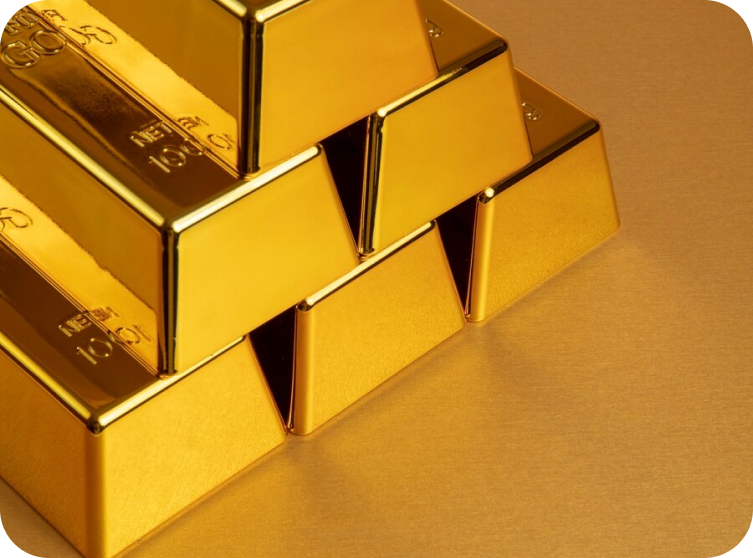
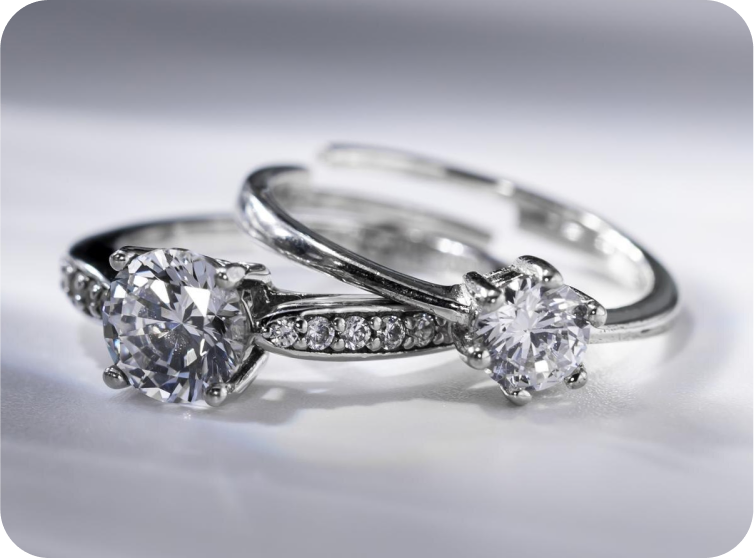
The most consistently valuable vintage jewelry tends to fall into a few clear groups. Solid gold jewelry is usually near the top because it has both intrinsic metal value and wearable appeal. Even simple vintage gold chains, wedding bands, lockets, and rings can hold strong value if the gold content is confirmed and the piece is in good condition.
Sterling silver is another major category, especially when the design is substantial, hand-finished, or collectible. Not every silver piece is expensive, but well-made sterling jewelry with good weight, attractive stonework, or signed craftsmanship often performs better than plated costume pieces. Buyers also respond well to vintage silver because it is wearable, authentic, and often more affordable than new fine jewelry.
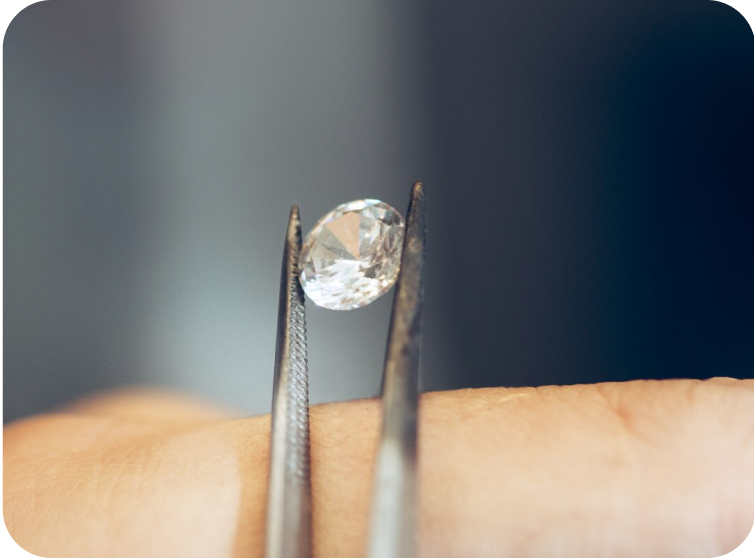
Natural turquoise, coral, opal, and other genuine stones can raise value significantly, especially when paired with sterling silver or gold. In the vintage market, stone quality matters. Color, matrix, cut, and whether the stone appears natural rather than synthetic can all affect pricing.
Signed designer jewelry is another strong performer. Pieces marked by recognized makers often bring more than similar unsigned items because the signature reduces guesswork and increases collectibility. That does not mean every signed piece is highly valuable, but the right maker can make a major difference.
Precious metals usually set the floor
If you are looking at older jewelry and want the fastest clue to value, start with the metal. Solid gold and sterling silver generally carry more stable resale value than gold-filled, rolled gold plate, or base-metal costume jewelry.
A vintage 10K, 14K, or 18K ring has value even if the design is simple because the metal itself matters. The same goes for heavy sterling silver cuffs, concho belts, bangles, and artisan rings. Weight counts. Hallmarks count too, but stamps should never be the only proof. Pieces need to be tested because marks can be worn, misleading, or occasionally added later.
This is one reason buyers prefer authenticated inventory from a knowledgeable dealer instead of taking a gamble on unverified resale listings. A piece described as silver or gold should be checked, not guessed at.
Gold-filled and costume jewelry can still matter
There is a trade-off here. Precious metal usually wins on baseline value, but some non-solid-metal pieces are still very collectible. High-quality costume jewelry from the right maker, in excellent condition, can sell for more than a plain precious metal item. Demand does not always follow scrap logic.
That said, when two pieces are similar in style and age, the one made from solid gold or sterling silver usually has stronger long-term value.
Signed pieces and known makers bring premiums
Maker marks are one of the clearest value drivers in vintage jewelry. A signed piece often attracts more serious buyers because it offers a firmer starting point for dating, authenticity, and quality expectations.
Well-known names in vintage costume and fine jewelry can command strong prices, especially when the piece shows the maker’s classic style and remains in original condition. In sterling silver and Southwestern categories, signatures from skilled Native American and artisan makers can also raise value quickly.
That is especially true for hand-stamped cuffs, cluster rings, squash blossom necklaces, and other pieces where workmanship and tribal or regional style matter. Buyers often pay more for a signed piece with real character than for a generic item made from the same material.
Unsigned jewelry should not be dismissed, though. Many excellent vintage pieces were never signed, or the mark has worn away over time. In those cases, design quality, stonework, construction, and testing become even more important.
Native jewelry and artisan silver are often undervalued
One area where buyers regularly find real value is vintage Native jewelry and one-of-a-kind artisan silver. These pieces often combine sterling silver, natural turquoise, coral, onyx, or shell with hand work that would be expensive to reproduce today.
What makes them valuable is not only the material. It is the labor, the regional style, the originality, and the fact that many older pieces were made in smaller numbers. Hand-cut stones, substantial silver, shadowbox work, stamp work, and old pawn style construction all tend to attract collectors and everyday buyers alike.
Condition still matters, and not every turquoise piece is rare. Some are tourist-market items or later mass-produced pieces. But authentic older Native and artisan jewelry remains one of the strongest categories for buyers who want character, craftsmanship, and fair value in one piece.
Era matters, but not as much as people think
Buyers often ask whether age alone makes jewelry valuable. Usually, it does not. A piece being old is helpful, but age without quality or demand does not guarantee much.
Certain eras do carry stronger market interest. Art Deco pieces remain popular for their geometry and stone settings. Mid-century modern jewelry has a strong following for clean lines and sculptural forms. Victorian and Edwardian pieces can command high prices when they are genuine, well-preserved, and made with fine materials.
But there is no simple rule that older means better. A 1970s sterling turquoise cuff may be worth more in today’s market than a much older but damaged or low-quality brooch. Buyers pay for what they can wear, trust, and recognize as special.
Stones, craftsmanship, and condition all move the price
After metal and maker, the next big factors are stone quality and construction. Natural stones generally bring more interest than synthetic or imitation stones, although there are exceptions in collectible costume jewelry. A vivid natural turquoise stone in a handmade sterling setting usually has stronger value than dyed composite stone in a light commercial mount.
Look closely at how a piece was made. Hand fabrication, clean solder work, secure bezels, detailed stamp work, and solid clasps all point to better craftsmanship. These details matter because they affect both beauty and durability.
Condition can either protect value or drag it down fast. Missing stones, broken clasps, bent frames, deep dents, repaired shanks, and heavy polishing can all reduce desirability. Sometimes a rare signed piece is still worth buying in imperfect condition. But for most everyday buyers, a wearable piece in honest, tested condition is the sweet spot.
Original parts help
Original stones, backs, clasps, and finishes usually support higher value. Replacement parts are not always a deal breaker, but they should be disclosed and reflected in the price. Vintage buyers want authenticity, not surprises.
What usually has less value
Not all vintage jewelry is a bargain treasure waiting to happen. Mass-produced costume jewelry with no maker mark, no precious metal, and visible wear is often modestly priced. That can still make it fun to wear, but it is not the same as investment-grade vintage.
Heavily damaged pieces, thin silver plate over base metal, glued repairs, and fake stones in common settings tend to have weaker resale demand. Sentimental value can be high, of course, but market value may be low.
This is where realistic expectations help. A piece does not need to be expensive to be worth owning. It only needs to be honestly represented.
How to tell if a piece may be worth more
If you are sorting through a jewelry box or shopping online, focus on a few practical signs. Check for gold karat marks or sterling marks, but assume testing is still needed. Look for signatures or initials. Notice whether the piece feels substantial for its size. Examine the stone setting, clasp, and back for quality. Ask whether stones are believed to be natural and whether the metal has been tested.
Photos can help, but they do not replace hands-on verification. That is why buying from a seller who understands authentication is so important. At Vintage Jewelry Trade, tested materials and curated sourcing are part of what gives buyers more confidence when comparing vintage options.
Valuable vintage jewelry is usually easy to explain
The best vintage pieces tend to justify themselves quickly. You can explain why they matter. Maybe it is solid 14K gold. Maybe it is a signed sterling cuff with natural turquoise and strong hand work. Maybe it is an Art Deco ring with fine details that still feels current today.
When value is real, it usually rests on something concrete, not just hype. That is good news for buyers. You do not need to chase only the rarest pieces. If you focus on authentic materials, honest condition, and craftsmanship you can actually see, you will usually end up with vintage jewelry that holds both style and substance.
A good vintage piece should feel like a smart buy the moment you put it on and an even smarter one years later.