A turquoise cuff may be called estate jewelry in one shop and offered on consignment in another. The piece itself has not changed, but the terms tell you different things about how it was sourced, priced, and sold. Understanding estate jewelry vs consignment helps you shop with clearer expectations, especially when you are looking for authentic vintage rings, sterling silver, Native jewelry, watches, or one-of-a-kind artisan pieces.
Neither label automatically means better quality or a better deal. What matters is the seller’s knowledge, the condition of the item, the accuracy of the description, and whether the materials have been properly tested. Still, knowing the difference can help you ask smarter questions before you buy.
What Is Estate Jewelry?
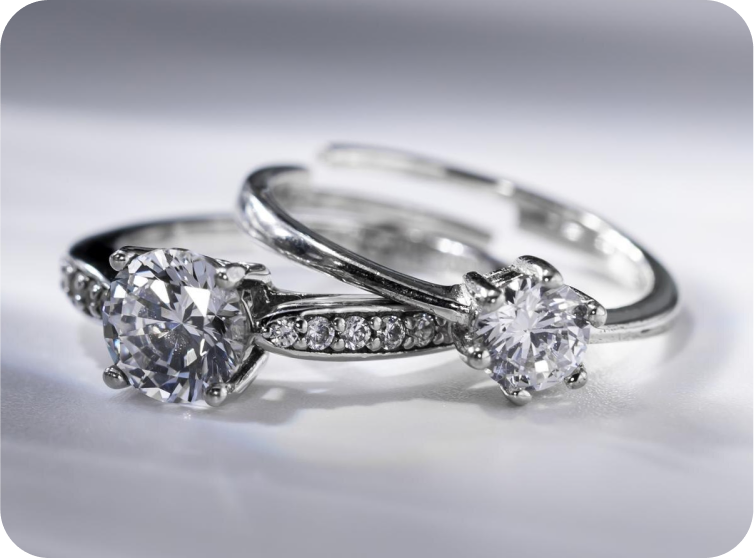
Estate jewelry is jewelry that has had a previous owner. Despite the name, it does not need to come from a grand estate, an inheritance, or a formal estate sale. A 1990s gold ring traded in by its original owner can be estate jewelry. So can an older sterling silver brooch, a mid-century bracelet, or a signed turquoise necklace that has been passed down through a family.
The term describes the jewelry’s prior ownership, not its age, style, or value. Estate jewelry can be antique, vintage, retro, or relatively modern. Antique jewelry is generally at least 100 years old, while vintage is often used for pieces from earlier decades that are not yet antiques. Estate jewelry is the wider category because it can include both.
For buyers, estate jewelry often means a chance to find real materials, period craftsmanship, and details that are hard to find in new retail jewelry. A hand-built sterling silver cuff, a natural stone pendant, or a gold signet ring can offer more personality than a mass-produced modern alternative. It can also offer better value when a dealer buys directly from the public instead of adding layers of wholesale and boutique markup.
That said, estate does not mean flawless. Wear is part of the category. A well-loved ring may have softened engraving, a vintage clasp may show age, and turquoise can have natural matrix variations or small surface marks. Honest condition notes matter because they tell you whether a piece is ready to wear as is, needs a minor repair, or is best suited for a collector who appreciates original condition.
What Does Jewelry Consignment Mean?
Consignment describes the selling arrangement, not the type of jewelry. When a seller places jewelry on consignment, they usually keep ownership of the piece until it sells. The store, dealer, or online seller displays the item and receives a percentage of the sale price once a buyer purchases it.
A consignment piece can be estate jewelry, but it does not have to be. A newer designer necklace, an unworn engagement ring, or a contemporary watch could all be sold on consignment. Likewise, estate jewelry can be purchased outright by a dealer and sold from that dealer’s own inventory.
This distinction affects the transaction behind the scenes. A dealer who owns an item has generally bought it directly and can set pricing, photograph it, test it, and stand behind the listing as part of their inventory. With consignment, the seller may have more influence over the asking price, and the shop may have less room to negotiate. Policies also vary more widely. Some consignment sellers inspect every item thoroughly; others rely heavily on the consignor’s description.
Consignment is not a warning sign. Many excellent pieces enter the market this way. But buyers should be especially attentive to who has verified the metal content, gemstones, hallmarks, signatures, and condition.
Estate Jewelry vs Consignment: The Buyer’s Difference
The most practical difference in estate jewelry vs consignment is often accountability. When you buy from a knowledgeable vintage jewelry dealer that owns and curates its inventory, you are typically dealing with one party responsible for the listing and the sale. That can make questions about testing, condition, returns, and pricing easier to answer.
With consignment, responsibility can be less direct. The selling platform may still offer strong customer service and authentication, but its role should be clear. Does it guarantee metal content? Has it inspected stones for damage? Are repairs disclosed? Can the price be adjusted if an item has been listed for a while? These answers matter more than the consignment label itself.
Pricing can differ, too. Estate jewelry purchased directly by a dealer may be priced with more flexibility because the dealer has already acquired the piece. A consignment seller may need to meet a minimum payout expectation, which can keep the asking price higher. On the other hand, a motivated consignor may accept a lower price to make a quick sale. There is no universal rule.
For a buyer, the best value is not simply the lowest ticket price. It is a fair price for a genuine piece whose materials and condition have been represented accurately. A tested sterling silver necklace with clear measurements and visible clasp details is usually a more confident purchase than an inexpensive listing with vague claims such as “silver tone” or “possibly turquoise.”
What to Check Before You Buy
Whether a piece is estate-owned inventory or consigned, start with the facts that affect wearability and value. Look for a clear description of the metal, including whether it is sterling silver, gold-filled, plated, or solid gold. Hallmarks are useful, but they are not the only proof of metal content. Older pieces can be unmarked, and marks can be worn or misleading, so testing adds another layer of reassurance.
For gemstone jewelry, read the description carefully. Natural turquoise, coral, onyx, lapis, and other stones may show variations that make each piece distinct. Ask whether a stone is natural, stabilized, treated, simulated, or replaced if that information is not provided. In vintage jewelry, originality can matter to collectors, while a sound replacement stone may matter more to someone buying a piece for everyday wear.
Measurements are equally important. A bracelet that looks substantial in photos may fit a small wrist, and a pendant can appear larger or smaller depending on the chain used for display. Check ring size, chain length, bracelet circumference, earring dimensions, and weight whenever available. These details prevent many avoidable disappointments.
Condition should be described plainly. Watch for notes about dents, missing stones, bent prongs, clasp function, plating wear, repairs, or altered sizing. None of these automatically make a piece a poor purchase. A sturdy vintage gold ring with a professional resize can still be an excellent everyday choice. The key is knowing what you are buying before it arrives.
When Estate Jewelry May Be the Better Fit
Estate jewelry is a strong choice when you want character, material value, and a piece that does not look like everyone else’s. It is especially appealing for shoppers drawn to older sterling silver work, turquoise jewelry, engraved lockets, vintage watches, or distinctive gold pieces. Because the inventory is pre-owned, every find is limited. Once a particular signed brooch or artisan-made cuff is sold, another may not appear in the same condition or at the same price.
It can also be a sensible way to shop for gifts. A vintage pendant or pair of earrings can feel personal without requiring custom-jewelry pricing. Choose durable styles for frequent wear, and reserve more delicate pieces with older mechanisms, fine enamel, or fragile stones for occasional use.
Buying from a seller that authenticates and tests its pieces adds practical confidence. At Vintage Jewelry Trade, direct sourcing helps keep the focus on curated, authentic pieces at fair prices rather than unnecessary middleman markups.
When Consignment May Make Sense
Consignment can be worth considering when you are searching for a particular designer, a recent luxury item, or a specific collectible that a dealer may not regularly stock. It can also broaden your options when you are willing to compare listings and verify details carefully.
The trade-off is that the buying experience may be less consistent from one consignment source to another. Before paying, confirm who is responsible if the item does not match the description, whether the sale is final, and what inspection or testing has been completed. If a seller cannot clearly explain an item’s materials or condition, it is reasonable to keep shopping.
Shop the Piece, Not Just the Label
Estate jewelry and consignment jewelry can both lead to a great purchase. The label tells part of the story, but authenticity, condition, craftsmanship, and fair pricing tell the rest. Take a close look at the details, buy from sellers who can answer direct questions, and choose the piece you will be happy to wear long after the transaction is forgotten.