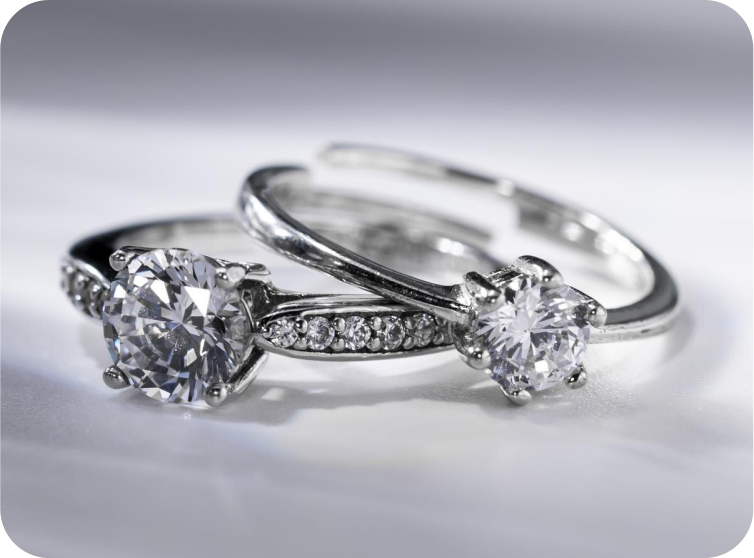
A cocktail ring should earn the attention it gets. The best vintage cocktail rings do that through real craftsmanship, memorable stones, and proportions that feel intentional rather than oversized for the sake of it. Whether you prefer colorful 1940s rhinestones, a substantial sterling silver turquoise ring, or a classic gold setting with a deep garnet, vintage gives you a statement piece with personality already built in.
The right choice is not always the largest stone or the oldest date stamp. It is the ring that suits how you dress, fits securely, and has been honestly represented for its materials and condition. That is where careful shopping makes a real difference.
What Makes the Best Vintage Cocktail Rings Different?
A cocktail ring is designed to be noticed, traditionally worn for evening events and social occasions. Vintage examples often have details that are harder to find in new jewelry: hand-cut stones, raised gallery settings, substantial silverwork, unusual color combinations, and handcrafted design that varies from ring to ring.
Unlike mass-produced fashion rings, a genuine vintage piece may show the work of a particular era or maker. Art Deco rings tend to favor symmetry, geometric outlines, and clear stones such as marcasite, onyx, crystal, or paste. Mid-century styles can be bolder and more sculptural, with warm gold tones and large colored stones. Southwestern and Native jewelry often brings another kind of presence, pairing sterling silver with turquoise, coral, lapis, or other natural stones in hand-finished settings.
That variety is the advantage, but it also means there is no single “best” ring for every buyer. A collector may prioritize age, maker marks, and original construction. Someone shopping for an everyday statement piece may care more about comfort, color, and value. Both are sensible approaches.
Choose a Style That Fits Your Wardrobe
The fastest way to narrow the field is to decide when you plan to wear the ring. A high-profile cocktail ring can look fantastic at dinner or a special event, but it may catch on sweaters, bags, or gloves during a busy day. A lower, wider silver ring can be just as striking while being easier to wear regularly.
Classic Glamour: Crystal, Rhinestone, and Marcasite
Vintage rhinestone and crystal rings offer big sparkle at an approachable price point. They are a smart choice for buyers who want dramatic style without paying for a precious gemstone. Look closely at the stones in photos and descriptions. A few small signs of age can be expected, but cloudiness, missing stones, darkened foil backs, or loose prongs affect both appearance and wearability.
Marcasite rings are another dependable vintage favorite. Their small faceted metallic stones create a subtle shimmer, often set in sterling silver. They work well for shoppers who like antique-inspired detail but prefer something less flashy than a large clear stone.
Colorful Stones: Turquoise, Garnet, Amethyst, and More
A colorful stone makes a cocktail ring feel personal. Turquoise offers natural variation in tone and matrix, so no two stones look exactly alike. Garnet has a rich, versatile red that pairs easily with black, denim, cream, and jewel tones. Amethyst, citrine, topaz, and jade can give a ring a strong focal point without requiring a diamond-sized budget.
Natural stones deserve a closer look because condition matters. Fine surface lines, small pits, and variations in color may be part of the material, especially in turquoise and softer stones. A crack that runs through the stone, movement in the setting, or obvious glue around the bezel deserves more caution. Ask how the stone is set and whether the ring is intended for occasional or regular wear.
Sterling Silver Statement Rings
Sterling silver is one of the strongest value categories in vintage jewelry. It can be hand-worked, deeply stamped, oxidized for contrast, or built into a substantial setting that feels satisfying on the hand. Silver also makes an excellent setting for turquoise and other natural stones because it gives the color room to stand out.
Do not dismiss a ring because it has tarnish. Tarnish is often normal surface oxidation and can be cleaned with appropriate care. What matters more is whether the silver has been tested, the shank is solid, and the setting remains secure. A ring with honest age and sound construction is usually a better buy than a heavily polished piece that has lost its original detail.
Check Metal, Marks, and Construction Before You Buy
Authenticity is not just about finding a stamp. Many older rings are unmarked, and a mark alone does not confirm every detail about a piece. Reliable sellers should identify tested metal when possible and clearly distinguish sterling silver, gold-filled, plated, and costume jewelry.
For gold rings, confirm whether the item is solid gold, gold-filled, or gold-plated. These categories have very different values and wear expectations. Gold-filled jewelry can be durable and attractive, but it is not the same as solid gold. For sterling, look for a clear metal description and, when available, marks such as “925” or “Sterling.”
Construction tells its own story. Inspect the band for thinning, splitting, or prior repairs. Check that prongs sit over the stone rather than merely beside it, and that a bezel does not lift away from the stone. On adjustable rings, make sure the open band is sturdy enough for gentle adjustment. Repeated bending can eventually weaken metal, especially on older pieces.
Condition Should Match the Price
Vintage is not new stock, and a little wear can be part of the appeal. Light scratches, softened edges, minor tarnish, and age-appropriate patina are usually reasonable. Major damage is different. Missing stones, deep chips, broken prongs, badly distorted bands, and unstable repairs can turn a bargain into a repair project.
There is room for both perfect display pieces and well-loved rings, as long as the price reflects the condition. A rare design with a small flaw may still be a worthwhile purchase for a collector. A ring intended as a gift or frequent-wear accessory should generally need less compromise.
Clear photographs from multiple angles matter, especially for a large ring. You should be able to see the face, shoulders, side profile, band, and any maker or metal marks. A straight description of flaws is a good sign that the seller understands vintage jewelry and wants you to buy with confidence.
Getting the Size and Scale Right
Cocktail rings often look smaller or larger online than expected. Read the face measurements in millimeters, not just the ring size. A 25 mm oval is a very different look from a 15 mm oval, even if both are described as statement rings.
Ring size matters too. Wider bands can feel tighter than thin bands, and top-heavy rings may rotate if they are slightly loose. If you are between sizes, consider the band width and which finger you plan to wear it on. Your dominant hand can be a practical choice for a bold ring, but some shoppers prefer the non-dominant hand to reduce knocks and daily wear.
Resizing depends on the design. A plain gold or silver band may be easier for a jeweler to alter than a ring with stones extending around the shank, detailed stampwork, or an adjustable construction. When resale value or original craftsmanship matters to you, avoid unnecessary alterations.
Buy Vintage Cocktail Rings From a Seller Who Tests What They Sell
The excitement of vintage shopping should not depend on guesswork. Material claims, stone descriptions, measurements, and condition notes should be clear enough that you know what you are buying before it arrives. This is especially important with turquoise, sterling silver, gold, and signed artisan jewelry, where unverified listings can carry inflated prices or vague descriptions.
Vintage Jewelry Trade focuses on authentic, tested pieces sourced directly from the public. That direct buying model helps keep inventory varied and pricing fair, while careful review gives shoppers a better foundation than an unverified marketplace listing. Since vintage inventory is one of a kind, it is worth acting when a ring checks the boxes that matter to you.
Care for a Ring You Plan to Wear
Take a cocktail ring off before cleaning, gardening, swimming, exercising, or applying lotion and perfume. Store it separately so stones and metal do not rub against other jewelry. A soft, dry cloth is usually enough for a quick refresh, while turquoise, coral, pearls, and porous stones should not be soaked or exposed to harsh chemical cleaners.
For a ring with prongs, check occasionally for snagging on fabric or any movement in the stone. Catching a loose setting early is much easier than replacing a lost stone later.
The best vintage cocktail ring is not necessarily the most expensive or the most dramatic in the case. It is the one with a design you will reach for, materials you can trust, and condition that makes sense for the way you live.