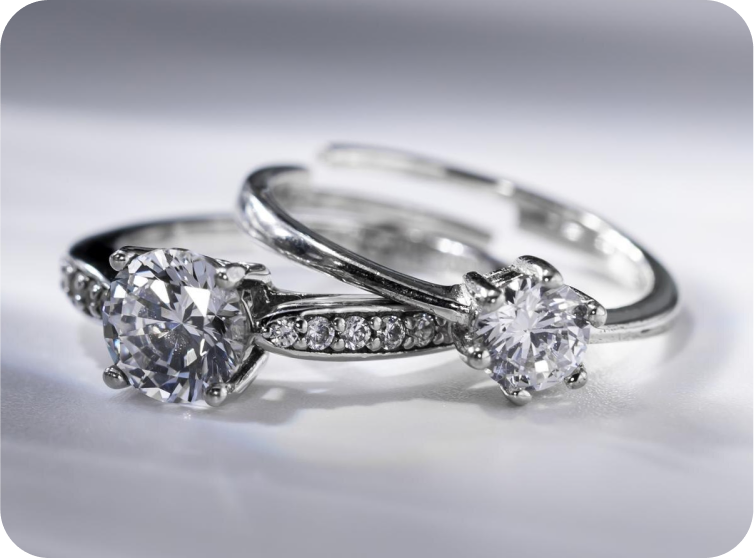
A seller brings in a ring from her grandmother, sure it must be antique because it looks old. After a closer look, it turns out to be vintage, not antique – and still absolutely worth buying. That is the heart of the estate jewelry vs antique question. These terms get used interchangeably all the time, but they do not mean the same thing, and knowing the difference helps you shop smarter.
If you are buying for personal style, for a gift, or to build a collection, the label matters because it affects age, pricing, rarity, and expectations. It also helps you avoid overpaying for a piece that is simply being described in a flattering way.
Estate jewelry vs antique: the basic difference
The simplest way to separate the two is this: estate jewelry means previously owned jewelry. Antique jewelry means jewelry that is at least 100 years old. Some antique jewelry is estate jewelry, but not all estate jewelry is antique.
That is where the confusion starts. A ring from the 1980s can be estate jewelry if it had a prior owner. A Victorian brooch from the late 1800s can be both estate and antique. A brand-new ring made in an antique style is neither estate nor antique, even if the design looks old.
In the trade, age and ownership history are two different things. Estate describes the resale status. Antique describes the age. Vintage usually sits in between, often used for pieces that are older but not yet 100 years old.
Why people mix up estate and antique jewelry
Part of the issue is marketing. “Antique” sounds rarer and more valuable, so some sellers use it loosely. Part of it is visual. Jewelry styles repeat. Filigree, turquoise cluster work, Art Deco geometry, and floral motifs can appear on pieces made decades apart.
That is why appearance alone is not enough. A piece can have old-world style and still be a later reproduction. It can also be modest in appearance and still be genuinely antique. For buyers, this is where authentication and testing matter more than the label in a listing.
What counts as antique jewelry?
In general, antique jewelry is at least 100 years old. That means the category moves every year. Right now, many pieces from the 1920s and earlier qualify. Edwardian, Victorian, and Art Nouveau jewelry are common examples, along with some early Art Deco pieces depending on the exact production date.
Age alone does not guarantee high value. Condition, materials, craftsmanship, maker, and demand all matter. An antique gold ring with original details and strong condition may command a premium. A heavily worn antique piece with replaced parts may not.
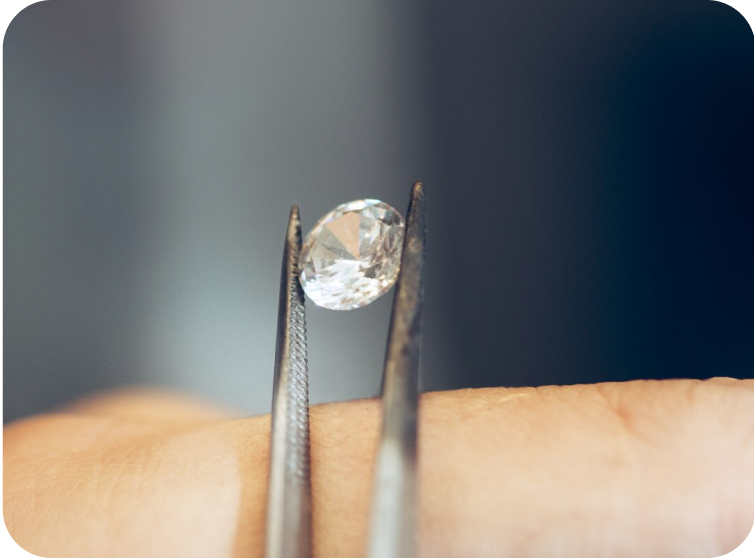
Antique jewelry also tends to show the construction methods of its time. You may see hand-cut stones, old clasps, hand-fabricated settings, or wear patterns consistent with age. Those details are part of what specialists use to judge authenticity.
What counts as estate jewelry?
Estate jewelry includes any jewelry that has had a previous owner. It can be five years old or 150 years old. It can be fine jewelry, costume jewelry, artisan silver, signed designer jewelry, Native jewelry, or everyday gold chains.
This is one reason estate jewelry can be such a practical category for buyers. It is broader, usually more accessible on price, and often gives you more style variety than shopping only by antique period. If you love sterling silver, turquoise, mid-century designs, bold cocktail rings, or one-of-a-kind artisan work, estate jewelry often offers the best mix of authenticity and value.
For many shoppers, estate does not mean compromise. It means the piece is already in the secondary market, where pricing can be more realistic than traditional retail.
Estate jewelry vs antique in pricing
When customers ask whether antique is always more expensive, the honest answer is no. Antique jewelry often carries more rarity, but pricing depends on more than age.
A signed mid-century estate bracelet in strong condition can sell for more than an unsigned antique brooch. A Native turquoise cuff with excellent stone quality and strong workmanship may outperform an older piece that has less demand. Gold content, gemstone quality, brand recognition, and wearability all affect price.
The market also rewards pieces that customers actually want to wear. Some antique jewelry is beautiful but fragile or highly specific in style. Many estate pieces from the 1940s through the 1980s are easier for modern buyers to style every day, which can support demand.
That is why fair pricing comes from accurate identification, testing, and realistic market knowledge – not from attaching the oldest-sounding word to the tag.
How to shop estate jewelry vs antique with confidence
If you are comparing estate jewelry vs antique, start with the questions a good dealer asks behind the scenes. How old is the piece really? Has it been tested for metal purity? Are the stones original to the setting? Has it been repaired or altered? Is the condition consistent with the claimed age?
Those questions matter more than romantic descriptions. “Estate” should not be used to make a recent piece sound historic. “Antique” should not be used unless the age can be supported.
For buyers, it helps to focus on three things: authenticity, condition, and value. Authenticity tells you what the piece actually is. Condition tells you what you are really getting. Value tells you whether the asking price makes sense for that combination.
A dependable seller should be comfortable describing metal content, stone testing when relevant, dimensions, wear, and any known repairs. If those basics are missing, the listing is asking you to trust the label instead of the piece.
When antique is the better choice
If you love period-specific craftsmanship, antique jewelry has obvious appeal. It can offer details that are hard to reproduce convincingly, from old mine cut diamonds to hand engraving and early manufacturing techniques. Collectors often gravitate toward antique pieces because of historical context as much as beauty.
Antique can also be the right choice if you want something with true age and rarity. A well-preserved ring or brooch that has crossed a century carries a different kind of character than later jewelry. For some buyers, that is the whole point.
The trade-off is that antique jewelry can require more patience. Sizing may be limited. Repairs can be more specialized. Some pieces are better for occasional wear than daily use, especially if the settings are delicate.
When estate jewelry is the better choice
Estate jewelry is often the better buy for shoppers who want genuine vintage character without paying strictly for age. It gives you a much wider field to shop, including fine gold pieces, sterling silver, turquoise jewelry, signed designer styles, and standout artisan work.
It is also a practical category for gifts. You can find distinctive rings, bracelets, necklaces, earrings, watches, and brooches at prices that feel more grounded than boutique antique retail. Because the category is broader, it is easier to match a recipient’s taste instead of forcing the search into a narrow historical period.
For everyday wear, estate pieces from later decades often strike the right balance. They may have stronger clasps, more wearable proportions, and styling that fits naturally into a modern wardrobe.
A note on reproductions and “estate style”
One more point matters here: style is not age. Jewelry described as “antique style” or “estate style” may be newly made. That does not make it bad jewelry, but it should be priced and presented honestly.
This is especially relevant online, where photos can make a reproduction look older than it is. Hallmarks, construction details, stone cuts, and signs of wear all help separate an older piece from a modern interpretation.
At Vintage Jewelry Trade, that is why tested authenticity and direct sourcing matter. Buyers should not have to guess whether a piece is genuinely older, previously owned, or simply made to look that way.
The better question to ask
Instead of asking whether estate or antique is better, ask what you want the piece to do for you. If you want true age, history, and collector appeal, antique may be the right lane. If you want character, authenticity, and stronger value across a wider range of styles, estate jewelry may serve you better.
A good piece does not become worthwhile just because it is antique. And an estate piece does not become lesser because it is younger. What matters is whether it is authentic, fairly priced, and right for the person who will wear it.
That is usually where smart buying starts – not with the most impressive label, but with the most honest one.