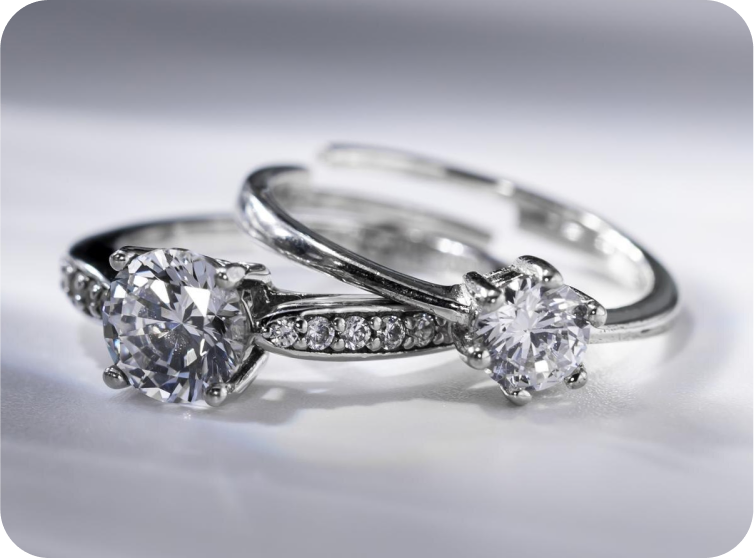
A $200 estate sterling silver ring can offer more weight, detail, and character than a similarly priced new ring at a mall store. But is estate jewelry cheaper in every case? No. Estate jewelry can be a better value, but its price depends on what it is made of, who made it, how it has been cared for, and whether the seller has accurately identified it.
For buyers who want genuine gold, sterling silver, turquoise, vintage watches, or one-of-a-kind artisan work, estate jewelry is often an opportunity to buy more jewelry for the budget. The key is comparing like with like and buying from a source that tests and vets what it sells.
Is Estate Jewelry Cheaper Than New Jewelry?
In many cases, yes. Estate jewelry is often less expensive than comparable new jewelry because it does not carry the same costs as newly manufactured retail pieces. A new jewelry item may include design development, factory production, wholesale markups, brand advertising, mall rent, and multiple layers of distribution before it reaches a customer.
Estate jewelry has already passed through that first retail cycle. When a dealer buys directly from the public, the piece can be inspected, tested, cleaned, priced fairly, and offered again without all the middlemen. That can make pre-owned jewelry especially appealing when you are shopping for solid gold, sterling silver, natural stones, or detailed workmanship.
Still, “estate” does not automatically mean bargain-priced. A plain used 10K gold band may cost less than a new version with a major store label. A signed mid-century designer bracelet, a sought-after Native jewelry piece, or an antique ring with a fine natural diamond may command more than many new pieces. Age alone does not determine value. Materials, craftsmanship, rarity, and demand do.
Why Estate Jewelry Can Offer Better Value
The strongest value is usually in materials and construction. Older jewelry was often made with more metal, sturdier clasps, hand-finished details, and stones that would be costly to source today. A substantial sterling silver cuff or a gold pendant with real gemstone accents may be priced close to fashion jewelry made from plated base metal.
That is not a statement that every older piece is superior. Some vintage jewelry is lightweight, damaged, altered, or made from lower-value materials. But when you compare an authentic, tested estate piece with a new item of similar metal content and quality, estate jewelry frequently comes out ahead.
There is also the matter of design. New jewelry follows current buying trends, while estate inventory spans decades of styles. You may find bold 1980s gold, delicate Victorian-inspired lockets, Southwestern turquoise jewelry, mid-century modern sterling, or handmade artisan pieces that cannot be reproduced at a mass-market price. For shoppers who want something personal rather than identical to what is in every display case, that distinction has real value.
When Estate Jewelry Is Not Cheaper
Some estate pieces are priced higher because they deserve to be. Jewelry from recognized makers, important periods, or limited production runs can be collectible. Signed pieces, exceptional turquoise, high-grade diamonds, rare gemstone cuts, and original antique condition can all increase the price.
Condition matters just as much. A ring with worn prongs may need repair before it is safe for daily wear. A vintage watch may require service. A necklace with a damaged clasp or missing stones may look affordable upfront but cost more after restoration. An honest price should reflect those issues, and a trustworthy seller should describe them clearly.
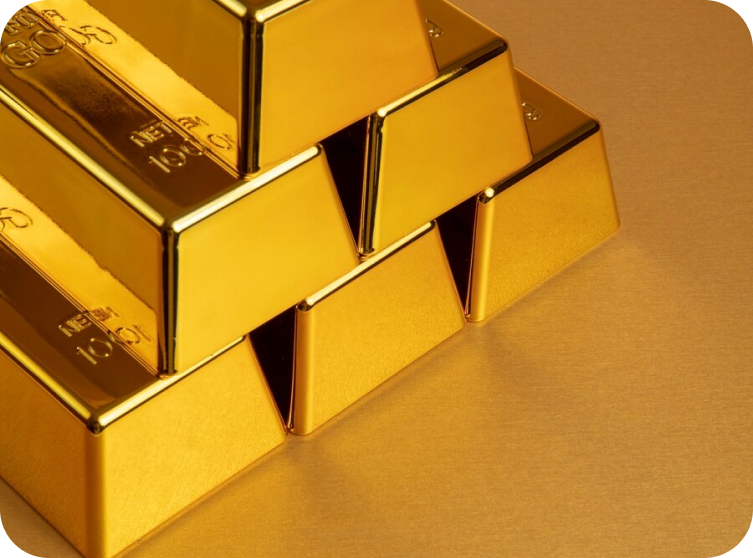
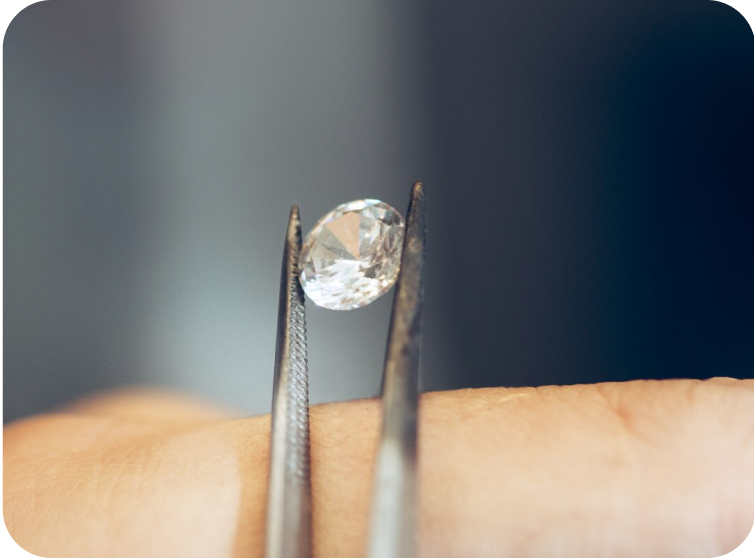
It also depends on the category. Estate diamond jewelry can be less expensive than a comparable new store piece, particularly when buyers are open to older cuts or unique settings. But exceptional diamonds and fine antique settings are not discount goods. The same is true of gold jewelry. The scrap value of gold creates a natural pricing floor, so a heavy vintage gold bracelet will not be inexpensive simply because it is pre-owned.
Compare Value, Not Just the Price Tag
A lower price is useful only when you know what you are getting. Before comparing estate jewelry with a new item, look at the metal, weight, stone type, condition, and construction.
For gold, check the karat mark and ask whether it has been tested. A 14K or 18K estate piece has intrinsic metal value that gold-plated jewelry does not. For sterling silver, look for a 925 or sterling mark, while remembering that some older or handmade pieces may need testing even if a mark is present. If a piece includes turquoise, coral, lapis, onyx, or other stones, the listing should state what is known and avoid making unsupported claims.
With gemstone jewelry, ask whether stones appear natural, synthetic, treated, or unidentified when that information is available. A beautiful ring does not need to have a rare gemstone to be worth buying, but the price should match the facts. Clear descriptions protect buyers from paying fine-jewelry prices for costume materials or heavily repaired pieces.
Photos matter, too. Look beyond the front view. Good product photos show hallmarks, clasps, stone settings, side profiles, and areas of wear. These details help you judge whether a piece is ready to wear, lightly worn, or better suited for a collector who is comfortable with age-related character.
Authentication Is Part of the Savings
The cheapest listing is not always the best deal. Unverified peer-to-peer listings can leave buyers guessing about metal content, stone identity, measurements, repairs, and authenticity. A piece described as “gold” may be plated. A bracelet labeled “Native style” may not be Native-made. A gemstone name may be based on appearance rather than testing or documentation.
Buying from a dealer that authenticates and tests inventory helps reduce that uncertainty. You are not just paying for the object. You are paying for a more reliable description, a curated selection, and the ability to shop with a clearer understanding of what is in front of you.
At Vintage Jewelry Trade, pieces are selected with this practical standard in mind: authentic materials, tested jewelry, straightforward condition details, and fair pricing based on the item itself. That approach makes it easier to shop vintage without having to become an expert in hallmarks, metal testing, or antique construction first.
How to Shop Estate Jewelry on a Budget
Start with a category rather than a vague search for a “deal.” If you want everyday jewelry, a sterling silver ring, simple gold pendant, pair of earrings, or durable bracelet can offer a good entry point. If you are buying a gift, consider the recipient’s preferred metal color, ring size, and whether they like bold vintage designs or quieter classics.
Be flexible about exact age and brand. A signed designer item may be worth the premium for a collector, but an unsigned artisan-made piece can be just as striking and often costs less. The same is true for gemstones. Choosing onyx, garnet, amethyst, agate, or turquoise instead of a large diamond can stretch a budget while still giving you real materials and distinct style.
Read measurements carefully. Vintage jewelry can look larger or smaller in photos than it does in person. Ring size, chain length, bracelet circumference, pendant dimensions, and weight are all useful for deciding whether a piece will work for you. For substantial silver and gold jewelry, weight also provides helpful context for the price.
Finally, buy the piece you will wear. A modestly priced estate brooch that stays in a drawer is not better value than a well-made silver necklace you reach for every week. Estate jewelry earns its place when its materials, condition, design, and price all make sense for your life.
The best estate jewelry purchase is not necessarily the oldest or the cheapest one. It is the piece that feels right in your hand, has been represented honestly, and gives you lasting quality without paying for a new-retail story you do not need.