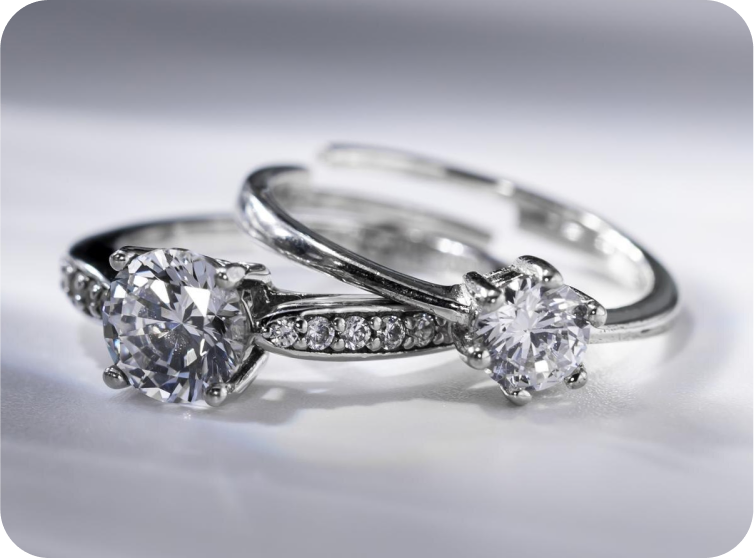
A vintage ring can feel like it was made for you until it spins on your finger or stops just short of fitting. The good news is that can vintage jewelry be resized is often answered with yes, especially for solid gold, sterling silver, and platinum rings. But age, construction, stones, engraving, and the piece’s original craftsmanship all matter. A careful evaluation comes before any work.
Vintage jewelry was not made in one standard way. Some pieces have thick, plain bands that a jeweler can adjust with little visible change. Others have delicate filigree, turquoise settings, hollow construction, or hand-applied details that make resizing risky. The right decision protects both the jewelry you wear and the character that made you choose it.
Can Vintage Jewelry Be Resized Safely?
Most vintage rings can be resized when they have a solid metal shank, enough plain metal at the back of the band, and a design that does not run continuously around the finger. A qualified jeweler can typically cut the bottom of the shank, remove or add metal, solder the seam, shape the ring, and refinish the worked area.
Resizing down is usually more straightforward than sizing up because the jeweler removes a small section of metal. Still, a large reduction can affect the ring’s round shape, place pressure on stones, or pull engraved patterns out of alignment. Sizing up requires added metal, which means matching the metal type, color, thickness, and finish as closely as possible.
For a simple vintage 10K or 14K gold ring, sterling silver band, or platinum solitaire, a change of one or two sizes is often realistic. A larger change may still be possible, but it deserves a closer inspection and an honest discussion about appearance, strength, and cost.
The band is the starting point
A jeweler will first look at the underside of the ring. This section is called the shank, and it is normally the safest place to make a change. A thick, unadorned shank gives the jeweler room to work. A very thin shank may need reinforcement at the same time, particularly if years of wear have worn the metal down.
A band with patterning only across the top can often be resized without disrupting its look. A ring with engraving, milgrain, floral work, beading, or a repeating pattern all the way around is more complicated. The piece may be technically resizable, but the pattern can be interrupted where metal is added or removed.
Vintage Rings That Need Extra Care
The most appealing vintage jewelry is often the least generic, and that is exactly why a simple yes-or-no answer does not work. Certain designs deserve special handling or may be better left in their original size.
Eternity bands are a common example. Because stones circle the entire ring, resizing can disturb the stone settings and leave no plain section for a clean alteration. Some eternity rings can be adjusted by an experienced specialist, but the work may require resetting stones and can cost more than a basic resize.
Cluster rings, cocktail rings, and pieces with fragile prongs also need inspection. Heat from soldering can affect old settings, loosen stones, or damage materials that do not tolerate heat well. Opal, pearl, coral, turquoise, emerald, amber, shell, and certain treated gemstones are especially sensitive. The stones may need to be removed before work, or resizing may not be advisable at all.
Vintage sterling silver and turquoise jewelry deserves particular attention. Many Native-made and Southwestern-style rings have substantial silver bands, so a size change may be physically possible. However, the turquoise setting, hand-stamped details, and the maker’s original form should be protected. A jeweler who understands vintage silver work will avoid overheating the stone and will tell you if altering a signed or finely crafted piece could reduce its collector appeal.
Hollow rings can be another concern. Their lightweight construction may collapse, split, or show a repair more readily than solid metal. Rings with an interior inscription, such as a wedding date or personal message, can also lose part of that history if metal must be removed from the back.
Resizing More Than Rings
Rings are the jewelry items most commonly resized, but they are not the only ones that can be adjusted. The method depends on the piece.
Bracelets can sometimes be shortened by removing links or altered with an added section. Link bracelets are generally easier to adjust than solid bangles. A hinged bangle may have limited options because changing its shape can affect the clasp and hinge. For cuff bracelets, a small fit adjustment can sometimes be made by hand, but repeatedly bending vintage silver or gold can weaken it over time.
Necklaces are often easier to shorten than lengthen. A jeweler may remove links, adjust a chain, or add an extender that matches the existing metal. Beaded necklaces require more consideration because their stringing material, knotting style, and original clasp may need replacement. If the beads are antique, fragile, or unusually shaped, preserving the original layout matters as much as achieving a new length.
Watches are typically fitted by removing or adding bracelet links. Vintage watch bracelets can be delicate, and replacement links may be difficult to source, so keep every link that comes with the watch. Even if you do not need them now, they help preserve value and make future adjustments possible.
Earrings, brooches, and pendants are not usually “resized,” but their findings can sometimes be adapted. For example, a jeweler may convert screw-back earrings, replace worn clips, or add a new bail to a pendant. These changes should be approached carefully when the original hardware is part of the piece’s period character.
What a Good Jeweler Will Check First
Before authorizing a resize, ask for an assessment rather than a quick estimate alone. A reputable jeweler should identify the metal, inspect the shank for wear, check prongs and solder joints, and examine stones for cracks or movement. They should also measure the ring accurately and ask how it fits at different times of day.
Finger size changes with temperature, activity, and even the season. If a ring fits tightly only on hot days, a permanent resize may not be the best first answer. A sizing bead, ring guard, or temporary adjuster can improve fit without changing the original piece. These options are especially useful for heirlooms, engraved bands, and rings you may later pass on to someone else.
Ask the jeweler whether the work will be visible, whether stones need to be removed, and whether the piece should be insured while it is in their care. For valuable estate jewelry, photographs of the ring before work are also a sensible record.
Cost, Value, and When to Leave It Alone
There is no single vintage resizing price. A basic adjustment on a plain silver or gold band is usually less expensive than work involving platinum, added gold, stone removal, engraving repair, or structural reinforcement. The final price should reflect the labor and materials required, not simply the ring’s purchase price.
Resizing can make a vintage piece more wearable, which is often the best way to enjoy it. Yet originality has value, particularly for signed jewelry, rare artisan work, designer pieces, and rings with detailed handwork. A noticeable alteration can affect collector interest even when the repair is well done.
It may be wiser not to resize if the ring contains a continuous design, has brittle or heat-sensitive stones, needs a dramatic size change, or has a very thin and worn band. In those cases, consider wearing it on another finger, converting it into a pendant, or choosing a temporary sizing solution. Keeping the piece intact is sometimes the better long-term choice.
When shopping for authentic, tested vintage jewelry, look closely at the listed size and band design before buying. At Vintage Jewelry Trade, the goal is to help buyers find distinctive pieces at fair prices, but fit still deserves the same attention as metal, stone, and condition. A well-chosen vintage piece should feel good to wear, not become a repair project you did not expect.
The best resize is one that respects the jewelry’s past while giving it a practical future. Take the piece to a jeweler experienced with vintage work, ask the right questions, and let the construction of the item guide the decision.