You will sometimes hear shoppers ask, what is real estate jewelry, when they are really trying to figure out whether a piece is old, valuable, authentic, or simply secondhand. That confusion makes sense. In the jewelry trade, small wording differences matter, and the phrase itself is often used incorrectly in online listings, local resale ads, and even casual conversation.
If you are shopping for a ring, bracelet, brooch, necklace, or watch and want to know what you are actually buying, it helps to separate the real trade terms from the marketing language. Once you understand that, it becomes much easier to judge value, compare prices, and buy with confidence.
What is real estate jewelry in plain terms?
Strictly speaking, real estate jewelry is not the standard industry term. The phrase most buyers are looking for is estate jewelry.
Estate jewelry means jewelry that has had a previous owner. That is the core definition. It does not have to come from a mansion, a formal probate estate, or a wealthy family collection. It simply means the piece is pre-owned.
The phrase real estate jewelry usually shows up because people blend two ideas together: real estate, meaning property connected to a person or household, and estate jewelry, meaning jewelry that came from someone’s collection. In everyday use, sellers may say real estate jewelry when they mean estate jewelry, inherited jewelry, or jewelry acquired from a private collection.
So if you are asking what is real estate jewelry, the practical answer is this: most of the time, people mean pre-owned jewelry that is being resold, often with some age, character, or collectible appeal.
Estate jewelry versus vintage jewelry
This is where buyers can save themselves from a lot of confusion.
All vintage jewelry is not automatically estate jewelry, and all estate jewelry is not automatically vintage. Estate jewelry only tells you the piece was previously owned. Vintage usually suggests age, often at least 20 years old, though exact cutoffs can vary by seller and market.
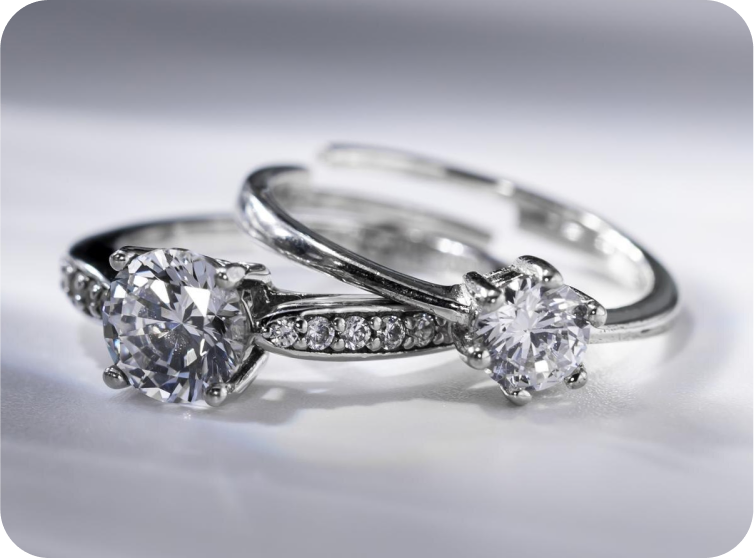
A pre-owned diamond ring from 2018 can be estate jewelry, but it is not vintage. A 1960s sterling silver turquoise bracelet is both vintage and estate. An unworn old-stock piece from decades ago might be vintage but not truly estate if it never had a retail owner.
That is why the label alone is never enough. You want to know the metal, stone, maker, era, condition, and whether the piece has been tested and verified.
Why the term gets used so loosely
Jewelry resale is full of overlap between trade language and consumer language. Estate sale companies, antique dealers, pawn shops, auction houses, online resellers, and private sellers do not always describe pieces the same way.
Some use real estate jewelry because it sounds familiar to buyers who associate the word estate with inheritance or household liquidation. Others use it because they are not jewelry specialists and are repeating a term they have heard before. In some cases, it is simply a listing shortcut.
That does not automatically mean the piece is misrepresented in a dishonest way. But it does mean you should read beyond the headline. A title can say estate, vintage, antique, heirloom, or real estate jewelry, yet the details may tell a very different story.
What buyers usually expect from estate jewelry
When shoppers search for estate jewelry, they are often looking for more than used jewelry. They usually want character, value, and something less mass-produced than current mall-store inventory.
That can mean an older gold band with hand-finished details, a one-of-a-kind artisan pendant, a sterling silver Native piece with natural turquoise, or a mid-century brooch with construction methods you do not see as often now. Many buyers also like estate jewelry because it can offer better pricing than comparable new retail jewelry, especially when a seller sources directly and avoids multiple markups.
There is also a trust factor. Buyers often feel more comfortable with pre-owned jewelry when it has been authenticated, tested, and clearly described. That matters a lot with sterling silver, gold purity, natural stones, signed pieces, and category-specific areas like Native jewelry where materials and workmanship affect value.
What estate jewelry does not guarantee
The word estate can sound impressive, but it does not guarantee rarity, age, or high value.
A piece of estate jewelry may be fine jewelry, costume jewelry, artisan jewelry, or fashion jewelry. It may be solid gold, sterling silver, gold-filled, plated, or mixed metal. It may contain natural gemstones, lab-created stones, simulants, or no stones at all.
It also does not guarantee excellent condition. Some pre-owned pieces are beautifully preserved. Others have worn prongs, replacement stones, resized shanks, clasp issues, or heavy surface wear. None of that makes them bad purchases by default, but it affects price and wearability.
This is where careful testing and honest grading matter more than attractive wording.
How to tell whether an estate piece is worth buying
If a seller describes an item as real estate jewelry or estate jewelry, focus on the facts that support the listing.
Start with metal identification. Is it marked 925, sterling, 10K, 14K, 18K, or another recognized standard? Has it been acid tested, electronically tested, or otherwise verified? Hallmarks are useful, but marks alone should not be treated as proof.
Then look at the stones. Are they identified clearly as natural, synthetic, simulated, or unknown? If turquoise, coral, opal, or other materials are involved, the seller should avoid overstating certainty if the piece has not been professionally analyzed beyond standard trade testing.
Condition is next. Good estate sellers disclose repairs, missing stones, wear to settings, chain thinning, clasp replacements, and notable scratches or dents. Clear photos help, but written condition notes matter just as much.
Finally, consider whether the pricing matches the item itself, not just the romance of the description. A plain pre-owned ring should not carry a premium just because the listing says estate. Value comes from materials, craftsmanship, maker, design, condition, and demand.
What to ask before you buy
A smart buyer does not need a long interrogation, but a few direct questions can save time and money.
Ask whether the piece has been tested for metal purity. Ask whether stones have been tested or are being sold as unknown. Ask about weight, measurements, era if known, and any repairs or alterations. If the item is signed, ask whether the signature has been verified against known maker marks.
For collectible categories, especially sterling silver, turquoise, and Native jewelry, specificity matters. A seller should be careful about tribal attributions, artist names, and material claims unless those details are supported.
The best sellers welcome these questions because they know informed buyers are better buyers.
What sellers should know about the term
If you own inherited or pre-owned jewelry and are thinking about selling, using the right language can help attract the right buyer. In most cases, estate jewelry is the better term than real estate jewelry.
It is also better to lead with specifics than with broad labels. Saying vintage sterling silver cuff bracelet, tested 925, natural turquoise, unsigned, is much more useful than saying beautiful real estate jewelry from family estate. Buyers and professional jewelry dealers want details they can evaluate.
This matters for pricing too. Sellers often assume that inherited jewelry should command a high number because it feels special. Sometimes it does. Sometimes the true value is mainly in scrap metal content, wearable design, or resale demand. Sentimental value and market value are not always the same.
A direct jewelry buyer can usually sort that out faster than a general resale platform because they look at testing, resale category, and condition every day.
Why accurate labeling matters
The resale jewelry market has plenty of opportunity, but it also has noise. Shoppers run into inflated descriptions, vague metal claims, and listings that lean too hard on words like estate, antique, or rare without backing them up.
Accurate labeling protects both sides. Buyers get a clearer picture of what they are purchasing. Sellers attract more serious interest and avoid returns, disputes, or unrealistic expectations.
For a business built around authentic and tested vintage jewelry, that clarity is not a small detail. It is the difference between selling a story and selling a piece honestly.
So, what is real estate jewelry really?
Most of the time, it is a mistaken or informal way of saying estate jewelry. In practical terms, that means pre-owned jewelry, sometimes inherited, sometimes sourced from private sellers, and sometimes part of a broader vintage or collectible market.
The smart move is not to get stuck on the phrase itself. Look at what the item actually is, how it has been tested, how it is described, and whether the price makes sense for the metal, stones, workmanship, and condition. If those basics are solid, you can buy or sell with a lot more confidence.
A good jewelry purchase usually comes down to the same things every time: honest details, fair pricing, and a piece you will still be glad you chose after the listing language is forgotten.