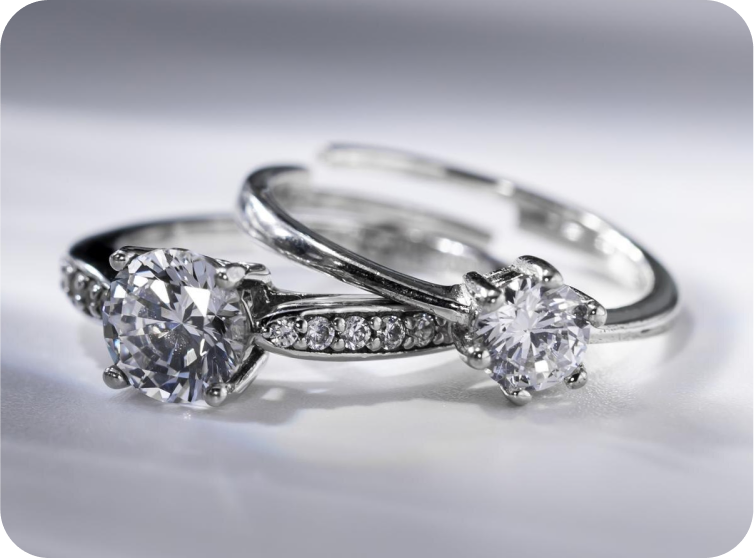
A ring described as estate jewelry may be 10K gold with a natural gemstone, sterling silver with turquoise, or a beautifully made costume piece from the 1960s. That range is why shoppers ask, is estate jewelry real? The short answer is yes, when it is represented honestly and verified properly. But “estate” describes where a piece came from, not automatically what it is made of.
For buyers, the key is to separate the estate label from claims about metal, stones, maker, age, and condition. A dependable seller should do that work before an item is listed, so you can choose based on clear details instead of guesswork.
What “estate jewelry” actually means
Estate jewelry is previously owned jewelry. It may come from a private home, an inherited collection, a jewelry box being sold after a move, or a collection purchased from an individual seller. The term does not mean a piece belonged to a famous estate, and it does not guarantee that it is antique, expensive, or made from precious materials.
Most estate jewelry falls into a few broad categories. Fine estate jewelry may be made of gold, platinum, sterling silver, diamonds, pearls, or natural gemstones. Vintage costume jewelry may use plated metal, glass, rhinestones, enamel, or simulated stones. There are also artisan-made pieces, Native jewelry, signed designer items, and everyday jewelry that was simply owned and worn before.
All of these can be genuine estate jewelry. The important question is not whether the piece is “real estate jewelry.” It is whether the materials and details in the listing are accurate.
Is estate jewelry real gold, silver, and gemstones?
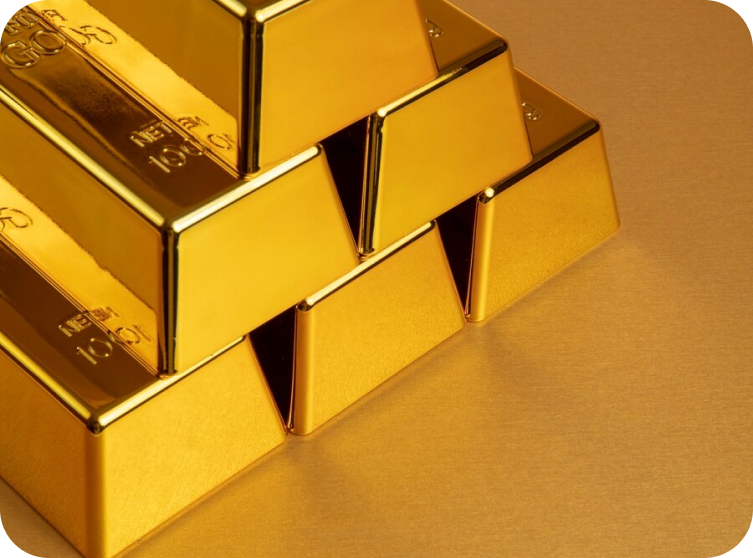
Sometimes it is, and sometimes it is not. Estate jewelry is a sourcing category, not a metal grade or gemstone guarantee. A real estate ring can be solid 14K gold, but another real estate ring can be gold-filled or gold-plated. Both may have resale value and vintage appeal, yet they should be priced and described very differently.
The same applies to stones. An estate necklace may feature natural turquoise, cultured pearls, genuine onyx, or a diamond. It may also feature glass, resin, rhinestones, imitation pearls, or lab-created stones. None of those materials makes the jewelry fake if the seller identifies them correctly.
This distinction matters because shoppers often use “real” to mean two different things. They may mean, “Was this actually a previously owned vintage piece?” Or they may mean, “Is this solid gold and are these natural stones?” A good product description answers both questions plainly.
What a trustworthy listing should tell you
Before buying estate or vintage jewelry, look for specifics beyond a broad label. At minimum, the listing should identify the metal, any stamps or hallmarks, the stone type when known, measurements, weight when relevant, and condition. Clear photos should show the front, back, clasp, setting, and marks whenever possible.
Terms such as “925 sterling silver,” “14K gold,” “gold-filled,” “gold-plated,” “tested,” “signed,” “natural turquoise,” and “glass rhinestones” give you useful information. Vague language like “looks like gold,” “possibly turquoise,” or “estate-style” deserves a closer look, especially when the price suggests a precious-metal item.
Condition is part of authenticity, too. Older jewelry can have scratches, patina, repaired clasps, minor stone wear, or signs of resizing. Those details do not take away from the piece’s history. They simply help you buy with realistic expectations.
How authentic estate jewelry is verified
Experienced jewelry dealers do not rely only on a stamp. Hallmarks are helpful, but they can be worn away, misread, or occasionally misleading. Verification usually combines several checks: visual inspection, metal testing, maker-mark research, construction review, and an assessment of stones and settings.
For gold and silver, a dealer may inspect marks such as 10K, 14K, 18K, 925, Sterling, or coin silver, then test the metal when needed. Testing can help distinguish solid gold from plating and confirm whether an unmarked item is sterling silver. Jewelry should be tested carefully because aggressive methods can damage delicate finishes or antique details.
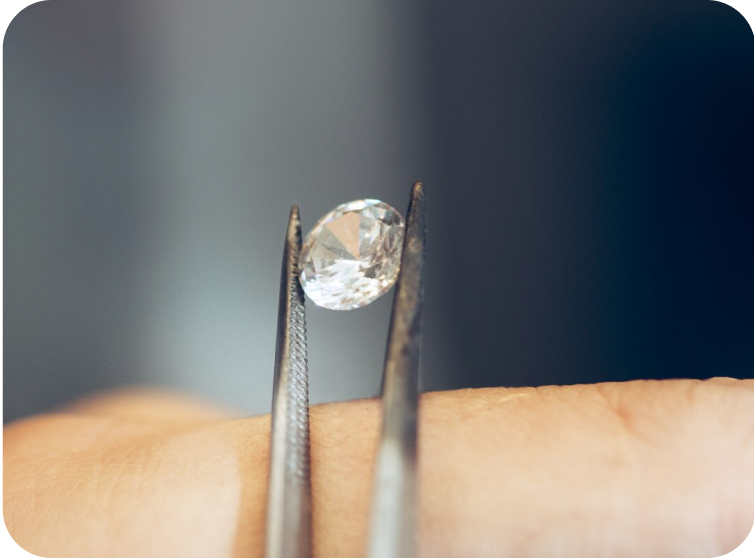
Stones require their own level of care. A turquoise cabochon, for example, may be natural, stabilized, dyed, reconstituted, or imitation. A seller should not overstate the material simply because it has the right color. With diamonds, colored gemstones, pearls, and other valuable materials, a professional evaluation may be appropriate when the value or uncertainty warrants it.
Maker marks can also add valuable context. A recognizable signature, workshop mark, or regional style may help identify a piece, but a mark alone is not a reason to assume every material is precious. The entire item should make sense together: the metal, workmanship, wear, construction, stone setting, and provenance all tell part of the story.
A note on Native and artisan jewelry
Sterling silver and turquoise jewelry is especially popular in the estate market, and it deserves careful descriptions. Some pieces are clearly signed by an individual artist. Others may carry a shop mark, a tribal affiliation, or no visible mark at all. Older jewelry can lose marks through wear, repair, or polishing.
A responsible dealer should not assign an artist, tribe, or origin without support. “Native American,” “Navajo,” “Zuni,” and similar attributions have real cultural and collector value, so they should be based on credible evidence rather than a general southwestern look. When an attribution is uncertain, it is better to describe the craftsmanship and materials honestly than to make a claim that cannot be verified.
Why estate jewelry can cost less than new jewelry
Estate jewelry is often a strong value because buyers are not paying for a new retail jewelry store’s overhead, new packaging, or a large chain’s markup. Direct sourcing can make a real difference. When a dealer buys jewelry directly from the public, evaluates it, and lists it for sale without several middlemen, more of the price can reflect the piece itself.
That does not mean every estate item is inexpensive. Rare designer pieces, heavy gold jewelry, exceptional gemstones, signed artisan work, and collectible Native jewelry can command higher prices. A simple sterling silver pendant or vintage brooch, however, may offer a lot of character at a more accessible price than a comparable new item.
Age alone does not determine value. A 1980s 14K gold chain may be worth more than a much older plated brooch because its metal content is higher. On the other hand, an older costume piece from a sought-after maker may be more collectible than an unsigned gold item. The right purchase depends on whether you are shopping for materials, style, history, collectibility, or all four.
Questions to ask before you buy
If a listing does not answer your basic questions, ask before placing an order. You do not need to be a gemologist to shop carefully. Ask whether the metal has been tested, whether stones are identified as natural or simulated, whether any repairs or replacements are known, and whether there are readable hallmarks or signatures.
Also ask about sizing and measurements. Vintage rings can fit differently after resizing, while necklaces, cuffs, and watches should be measured rather than judged from photos alone. For earrings, confirm whether they are pierced, clip-on, screw-back, or converted.
Return policies matter because estate jewelry is one of a kind. A clear return process gives you room to inspect a piece in person and make sure it suits your needs. It is also worth checking that photos show actual inventory, not stock images of a similar item.
Buy the facts, then enjoy the history
Estate jewelry is real when it is honestly sourced and accurately described. It can be real gold, real sterling silver, real turquoise, real diamonds, or well-made vintage costume jewelry. The estate label tells you the piece had a life before it reached you. The testing, description, and seller’s standards tell you what you are actually buying.
At Vintage Jewelry Trade, every item is authenticated and tested so customers can shop vintage pieces with clearer expectations and fair pricing. Look for the details that matter to you, whether that is a sterling mark, a substantial gold weight, an artisan signature, or simply a one-of-a-kind design you will wear often. The best estate jewelry purchase is not just one that looks good in a photo. It is one whose story and materials you can trust when it arrives.