A small 10K gold charm, a well-made vintage band, or a pair of classic gold earrings can cost less than a new piece from a mall jewelry store – and carry far more character. Affordable vintage gold jewelry is not about settling for damaged or questionable pieces. It is about knowing which details create real value, which details are mostly markup, and where a lower price makes sense.
Vintage gold has already proven it can be worn. Its style is established, its construction is visible, and its material has value beyond a passing trend. The smart buyer looks past a shiny photo and focuses on metal content, condition, wearability, and the honesty of the seller.
What Makes Vintage Gold Jewelry Affordable?
“Affordable” means different things depending on the piece. A solid gold ring will generally cost more than gold-filled earrings, and a heavy 14K bracelet will command more than a delicate 10K pendant. That does not make either option a poor value. It simply means the price should match what you are getting.
The best buys are often pieces that are less driven by brand name or current fashion. A simple vintage signet ring, a textured 10K pendant, a pair of small hoops, or a yellow gold brooch can offer genuine gold and skilled construction without the premium attached to a famous designer or a newly manufactured style.
Older pieces may also be priced fairly because they came from estate sales, private collections, or direct public sourcing rather than a chain of wholesalers and auction houses. When a dealer buys directly and carefully vets inventory, there is less pressure to build multiple middleman markups into the price.
Start With the Gold Content
The first question is simple: what is the piece actually made of? Gold jewelry should be described clearly, and markings can help confirm the answer.
Solid Gold: 10K, 14K, and 18K
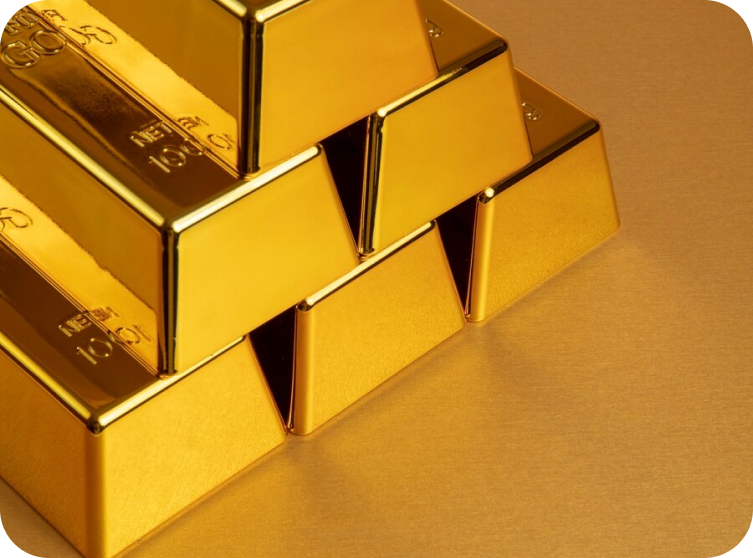
In the United States, 10K is the minimum karat level that can legally be sold as gold. It contains 41.7% pure gold and is a practical choice for rings, bracelets, and other jewelry that gets regular use. It is durable, often more budget-friendly, and common in vintage pieces.
Fourteen-karat gold contains 58.3% pure gold. It is a popular middle ground for buyers who want a richer gold content while keeping enough strength for everyday wear. Eighteen-karat gold contains 75% pure gold and often has a deeper color, but it tends to cost more and can be softer depending on the design.
A lower karat is not automatically inferior. For affordable vintage gold jewelry, a well-built 10K piece in excellent condition can be a better everyday purchase than a thin, worn 18K piece at the same price.
Gold-Filled, Gold-Plated, and Vermeil
These terms are not interchangeable. Gold-filled jewelry has a bonded layer of gold over a base metal and usually offers more lasting value than standard gold plating. It can be a good option for a larger statement piece when solid gold is outside the budget.
Gold-plated jewelry has a thinner layer of gold and may show wear over time, especially on rings, clasps, and bracelet edges. Vermeil is gold over sterling silver. It can be attractive and often feels more substantial than plated base metal, but it is still not solid gold.
None of these materials should be dismissed if the price is fair and the description is accurate. The problem starts when a seller uses vague language such as “gold tone” or “gold finish” to suggest more value than the item has. Look for a direct statement of metal content and clear photos of any marks.
Read Hallmarks, But Do Not Rely on Them Alone
A stamp such as 10K, 14K, 18K, 417, 585, or 750 is useful evidence of gold content. Maker’s marks, country marks, and patent information can also help identify a piece’s age or origin. Still, a stamp is one part of the picture, not the whole picture.
Marks can wear down, especially inside rings or near clasps. Some older jewelry was never marked in an obvious location. On the other hand, a visible mark does not replace proper testing. A dependable vintage jewelry seller should authenticate and test pieces rather than relying only on a stamp or an assumption.
At Vintage Jewelry Trade, the focus is on authentic, tested jewelry with pricing that reflects the item itself. That matters because vintage inventory is one of a kind. Each ring, pendant, or bracelet deserves to be evaluated on its own materials and condition.
Condition Can Change the Value Quickly
Vintage jewelry was made to be worn, so light surface scratches are normal. They are not necessarily a reason to pass on a piece. What matters is whether the wear affects strength, comfort, or future repair costs.
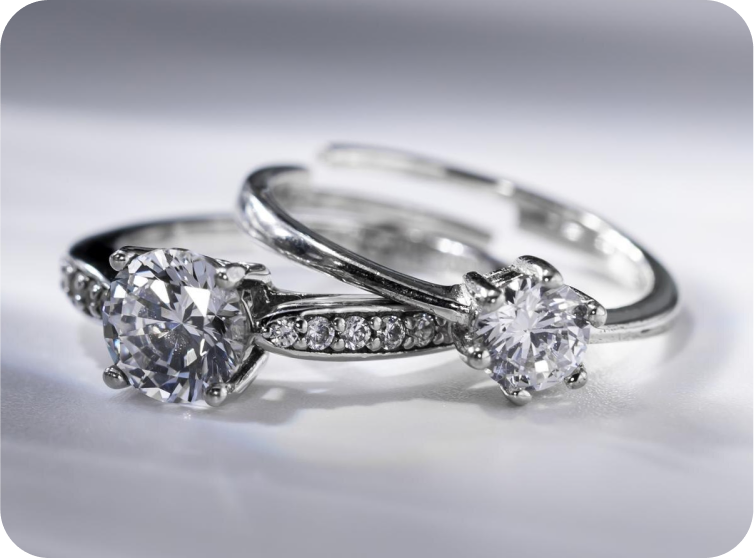
Check ring shanks for extreme thinning, especially at the bottom of the band. Inspect chains and bracelets for weak links, stretched sections, worn clasps, or bent catches. On gemstone jewelry, look at the prongs and settings. Loose stones, missing prongs, and cracked stones can turn an affordable find into a repair project.
Some repairs are worth making. Replacing a clasp or sizing a straightforward gold band can be reasonable if you love the design and the total cost still makes sense. Major reconstruction, extensive solder work, or replacement stones require more caution. A low sticker price is not a bargain if the repair bill will exceed the value of the piece.
Weight Matters, But Style Matters Too
Gold has intrinsic value, and weight is part of that value. A heavier solid gold bracelet typically contains more gold than a lightweight hollow version. If two similar pieces have very different prices, the metal weight may explain why.
However, weight should not be the only buying rule. A finely detailed Victorian-style locket, an artisan-made pendant, or a signed mid-century brooch may be valuable because of workmanship, design, rarity, or collectibility. Vintage jewelry is both material and craft.
Be especially careful with hollow gold jewelry. Hollow chains, hoops, and bracelets can look substantial while using less metal, which helps keep the price down. They are often perfectly good for occasional or careful wear, but they can dent more easily than solid pieces. For a daily-wear bracelet or large hoop earrings, solid construction may be worth paying more for.
Choose Pieces You Will Actually Wear
The most affordable piece is not always the least expensive one. A gold ring that sits unworn in a drawer is not a better purchase than a modest pendant you reach for three times a week.
Start with your real wardrobe and habits. Small gold studs, simple chains, lightweight pendants, signet rings, and classic link bracelets usually work across seasons and occasions. A bold retro brooch or oversized cocktail ring can be a wonderful buy too, particularly for collectors or gift buyers, but it should fit the recipient’s style.
Pay attention to practical measurements. Necklace length changes how a pendant sits. Ring width affects comfort. Earring weight affects whether a pair will feel comfortable after an hour. Clear dimensions are not minor details when shopping online – they are part of buying confidently.
Know When a Price Is Fair
A fair price reflects several factors at once: gold content, weight, condition, workmanship, stones, maker, rarity, and current demand. There is no single price-per-gram formula that works for every vintage piece, because jewelry has labor and design value beyond its melt value.
Still, you should be able to understand why an item is priced as it is. A complete description should identify the metal, note any stones, provide measurements, and disclose visible condition issues. Good product photos should show the front, back, clasp or closure, and hallmarks when available.
Be wary of deals that seem too vague or too perfect. “Estate gold” without a karat description, unusually low prices for supposedly heavy solid gold, and blurry photos of marks are reasons to ask more questions. Authenticity and transparency are worth more than a dramatic discount.
Buy With a Collector’s Eye, Even for Everyday Pieces
You do not need to be a serious collector to shop thoughtfully. Notice details that make a vintage piece special: hand-engraving, unusual links, old-style clasps, natural gemstones, maker marks, or a design that is no longer widely produced. Those details are often why vintage gold feels personal rather than mass-produced.
At the same time, give yourself permission to buy for enjoyment. Not every piece needs to be rare or investment-grade. A tested 10K heart pendant or a pair of warm yellow gold earrings can be a practical, meaningful addition to your jewelry box.
Buy the piece that feels honest in its materials, fairly priced for its condition, and right for the way you live. That is where vintage gold becomes more than a bargain – it becomes jewelry you will be glad to keep wearing.