A turquoise ring listed as sterling silver can look convincing in a photo. So can a gold-toned chain, a signed brooch, or a diamond-like stone. The real question is: can jewelry be authenticated well enough to buy, wear, insure, or sell with confidence? In many cases, yes. But authentication is not one quick test, and honest answers depend on the piece, its materials, condition, and history.
For vintage jewelry, the strongest assessment combines physical testing with an experienced review of construction, markings, stones, and wear. A stamp alone is helpful, but it is never the whole story.
Can Jewelry Be Authenticated Without Papers?
Yes, often. Original receipts, boxes, appraisals, and certificates can support a jewelry item’s story, but many estate pieces have changed hands for decades without them. A qualified jewelry professional can still determine a great deal by examining the item itself.
Authentication usually answers several different questions. Is the metal actually gold, sterling silver, platinum, or plated base metal? Are the stones natural, synthetic, imitation, treated, or glass? Is a maker’s mark consistent with the claimed designer or era? Does the setting, clasp, solder work, and overall construction match the description?
Those answers matter because “authentic” can mean different things. A ring may be an authentic vintage ring while its center stone is a later replacement. A bracelet may be genuine sterling silver but not made by the artist suggested by an unverified seller. Good authentication identifies what is known, what is likely, and what cannot be confirmed.
What an Authenticator Looks At
A careful review starts with the materials. Metal testing may include checking hallmarks, examining color and wear under magnification, using an electronic tester, or performing an acid test in an inconspicuous area. X-ray fluorescence testing, often called XRF, can provide a non-destructive reading of the metal’s surface composition. Each method has limits, especially with plating, filled gold, or pieces that have been repaired.
Hallmarks provide useful clues. Marks such as 925, Sterling, 10K, 14K, 18K, 585, 750, and Plat can indicate metal content. But a stamp should be verified rather than accepted automatically. Marks can be worn down, copied, incorrectly applied, or added to an item that is only plated. On older jewelry, the absence of a stamp does not automatically mean the piece is not precious metal.
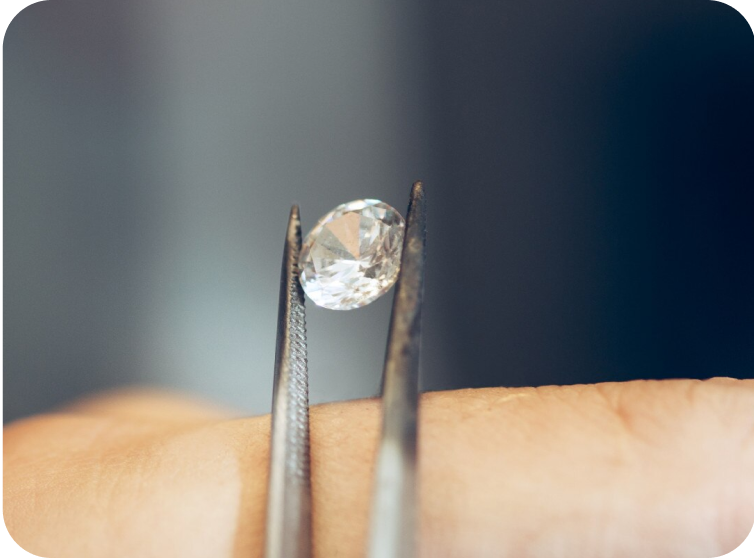
Gemstone review is another part of the process. Under magnification, a jeweler may look for inclusions, facet wear, bubbles, foil backings, glue residue, or signs of treatment. Basic tools can help separate common imitations from many natural stones. Confirming a high-value diamond, ruby, sapphire, emerald, or pearl may require a gem laboratory, particularly when a report is needed for insurance or resale.
Construction tells its own story. Vintage jewelry often shows details that are difficult to fake consistently: hand-cut settings, quality prongs, old hinge styles, period-appropriate clasps, hand engraving, and honest wear in places that naturally receive friction. A new item can be made to look old, so age alone is not proof. Still, workmanship can reveal whether the materials and claimed period make sense together.
Designer and Maker Authentication Requires More Than a Signature
A recognizable name can increase a piece’s value, which is why signatures deserve extra scrutiny. Authenticating a signed piece involves comparing the mark’s lettering, placement, format, and wear with known examples from the maker. The design, materials, fasteners, and manufacturing techniques should also align with the era.
A signature that looks right but appears on the wrong type of clasp or construction can be a warning sign. The same goes for a mark that is unusually crisp on a heavily worn piece. Some legitimate makers used more than one mark over time, which is why broad assumptions can lead buyers astray.
Native and Southwestern jewelry calls for particular care. Sterling silver, turquoise, coral, shell, and hand-stamped designs are widely copied. A style alone cannot prove tribal affiliation or identify a specific artist. Marks, documented provenance, materials, construction, and knowledgeable evaluation all matter. When the maker cannot be confirmed, the honest description is simply vintage Southwestern-style or Native-inspired only when appropriate, not an unsupported artist or tribal claim.
What You Can Check Before You Buy
Buyers do not need to become gemologists to make smarter decisions. Start by reading the listing closely. A reliable seller should clearly state what the item is made of, whether metal and stones were tested, the piece’s measurements, its weight when relevant, and any condition issues.
Photos should show more than the front of the jewelry. Look for close views of hallmarks, clasps, backs, prongs, earring posts, bracelet hinges, and areas of wear. These details often reveal far more than a polished glamour photo. If a listing claims solid gold or sterling silver but does not show markings or explain testing, ask why.
Price is another useful reality check. Vintage jewelry can be fairly priced without carrying a luxury-store markup, but precious metal and genuine gemstones still have material value. A supposedly heavy 14K gold bracelet offered for the price of costume jewelry deserves closer questions. A low price may reflect damage, missing stones, uncertainty, or simply a seller who has not identified the piece correctly.
Before purchasing, ask whether the seller accepts returns and how authentication claims are handled. A clear return policy does not replace expertise, but it shows that the seller is willing to stand behind the description. At Vintage Jewelry Trade, every item is authenticated and tested before it is offered for sale, helping buyers shop vintage pieces with a clearer understanding of what they are getting.
When Home Tests Help and When They Do Not
At-home checks can help you spot obvious concerns, but they should not be treated as a final verdict. A magnet can identify some base metals, yet many non-magnetic metals are not gold or silver. The ice test sometimes used for silver is unreliable. Skin discoloration is also not proof of metal content, since cosmetics, moisture, and individual body chemistry can affect the result.
Avoid scratching a piece, filing it, or using harsh chemicals unless you understand the risk. Aggressive testing can damage plating, patina, antique finishes, pearls, porous turquoise, coral, opal, and glued settings. It can also reduce the value of a collectible piece.
A loupe, a small scale, and good lighting are safer tools for an initial inspection. Use them to observe, not to force a conclusion. If the item may be valuable, leave definitive testing to a jeweler, estate jewelry specialist, or gem professional.
Authentication Versus an Appraisal
Authentication establishes identity and materials. An appraisal estimates value for a stated purpose, such as insurance, estate planning, resale, or fair market value. These are related services, but they are not interchangeable.
For example, a jeweler may confirm that a ring is 14K gold with a natural sapphire, while an appraiser determines an insurance replacement value. For a signed designer piece or exceptional gemstone, a formal appraisal or laboratory report may be worth the expense. For an everyday sterling pendant, a knowledgeable authentication and transparent description may be all that is needed.
If you are selling jewelry, avoid overstating what you know. Bring any old receipts, boxes, prior appraisals, or family notes, but understand that documentation will be reviewed alongside the item. A direct buyer who specializes in vintage jewelry can assess the piece’s metal, stones, condition, desirability, and resale potential without making you navigate an uncertain peer-to-peer marketplace.
The Best Result Is a Clear Description
The goal of authentication is not to turn every vintage find into a rare treasure. It is to replace guesswork with a description you can trust: tested sterling silver, gold-filled, natural turquoise, costume jewelry, signed but unverified, or a confirmed maker piece.
That clarity protects buyers from paying precious-metal prices for plated jewelry, and it protects sellers from letting a valuable estate piece go for too little. When a claim cannot be proven, a good dealer says so. That straightforward approach is what makes vintage jewelry worth buying, wearing, and passing along with confidence.