A stone can look bright in a listing photo and still have a chip hiding under a prong, a glued repair at its edge, or a treatment that changes how it should be valued. Knowing how to inspect jewelry stones helps you shop vintage with clearer expectations, whether you are choosing a turquoise cuff, an old ring, or an artisan pendant.
You do not need a gem lab to notice many of the details that affect beauty, wearability, and value. You do need good light, a careful eye, and the patience to look past sparkle. For major purchases or stones represented as rare, natural, or high-value, professional testing remains the right next step.
Start With Clean Light and a Close Look
Inspect stones in indirect natural daylight when possible. A window is better than a dark room, and it is usually more honest than the bright spotlights used in many jewelry cases. Strong display lighting can make a dull stone appear livelier and can hide surface wear.
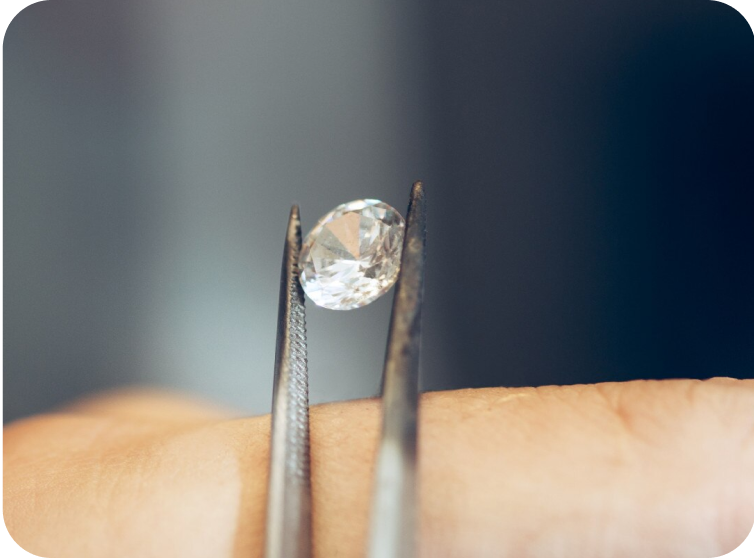
First, view the piece at arm’s length. Does the stone have even color and a pleasing overall appearance? Then move closer and turn it slowly. Look at the face, sides, and back of the stone. A jeweler’s loupe is useful, but your phone camera’s close-up setting can also reveal details you might miss with the naked eye.
Do not judge a vintage stone by whether it looks factory-new. Light rubbing on a well-worn cabochon or tiny facet wear on an older gemstone can be normal. The question is whether the condition suits the price and whether the piece can be worn without further damage.
How to Inspect Jewelry Stones for Damage
The most useful inspection is systematic. Start at the center of the stone and work outward toward its edges and setting. Chips often occur along a girdle, corner, or rim where the stone has taken a knock. On cabochons, check the high dome and the area nearest the bezel.
A scratch is usually a shallow line on the surface. A crack may travel into the stone and can look like a thin, pale line, a dark line, or a feathery internal break. A fracture that reaches the surface deserves extra caution, especially in rings and bracelets that receive regular impact.
Also look for cloudy patches, tiny pits, or areas with a different texture. These can be signs of wear, previous polishing, or surface damage. In softer materials such as turquoise, coral, opal, pearl, amber, and malachite, condition matters greatly because everyday contact can leave visible marks.
Repairs are not automatically a reason to pass on a piece. Vintage jewelry has lived a life, and a stable, clearly priced repair can be perfectly reasonable. What matters is disclosure and durability. A stone that appears to be glued in place, split into sections, or heavily filled may be best reserved for occasional wear rather than daily use.
Check the Stone at Its Edges
The edge tells you a lot. Examine where the stone meets its prongs or bezel. Is there a chip concealed by the setting? Is the stone sitting level, or does it rock when gently touched? A loose stone can be reset, but it should factor into the purchase decision.
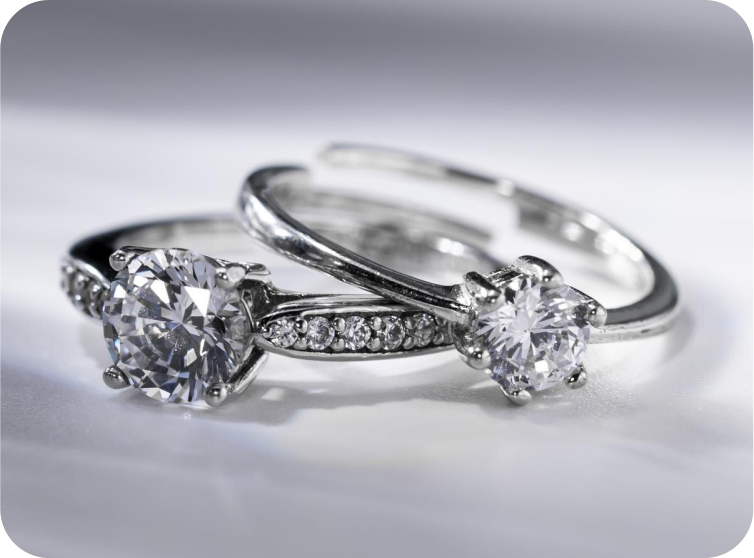
With prong-set rings, make sure the prongs cover the stone securely and do not appear worn flat or bent away. With bezel-set turquoise and other cabochons, look for gaps between the metal and stone. A small gap is not always a problem in handmade jewelry, but a large opening can allow the stone to shift or catch on clothing.
Read Color, Luster, and Transparency
Color is often the first thing people notice, but it is more than a question of whether a stone is blue, green, red, or clear. Look for consistency, depth, and whether the color appears natural to the material.
Turquoise may range from pale sky blue to greenish blue, often with matrix lines or webbing. A solid blue stone is not automatically better than a matrix-rich stone. Preferences vary, and the quality of workmanship, origin claims, and overall condition all matter. Be suspicious of color that looks concentrated in cracks, unusually uniform, or painted onto the surface.
For transparent faceted stones, notice whether the stone looks lively or sleepy. A clean, well-cut stone reflects light in an attractive way, while heavy wear, poor cutting, or cloudiness can reduce brilliance. Still, vintage jewelry is full of stones cut in older styles. A less flashy cut can be historically appropriate and charming rather than inferior.
Luster describes the way a surface reflects light. Glassy luster is common in many gemstones. Pearls have a softer glow, while turquoise and coral often show a waxier finish. Dullness can indicate dirt or wear, but it may also be the natural character of the stone. Avoid trying to improve luster with household cleaners before you know what material you are handling.
Look for Clues, Not Instant Answers
A loupe can reveal useful clues: small bubbles may suggest glass, while curved color bands can point to manufactured material. Foil backing behind a stone may be part of an older jewelry design, but it can also make condition harder to judge. Dark residue around a setting may simply be age and polish buildup, or it may conceal a repair.
Natural inclusions can support a stone’s identity, but they are not proof on their own. Fine needles, crystals, color zoning, and natural-looking matrix may be expected in certain gems. At the same time, many genuine stones are treated, dyed, stabilized, heated, or filled. Treatments are common in the jewelry trade and do not automatically make a piece undesirable. They do affect care, rarity, and price.
This is where a careful seller’s description matters. Words such as “tested,” “natural,” “stabilized,” “lab-created,” or “glass” should be used with care. If a stone’s identity has a major effect on value, a reputable dealer should be prepared to explain how it was identified and avoid making claims that cannot be supported.
Avoid At-Home Tests That Can Ruin Jewelry
Do not scratch a stone, press it against a hot needle, use acid, or tap it with another gemstone. These old tests can damage a stone, weaken a setting, or leave you with an expensive repair. They are especially risky with porous or soft materials.
Water testing is also a poor idea for mounted jewelry. Moisture can affect glued settings, foil-backed stones, pearls, opals, and treated turquoise. Ultrasonic cleaners and steam cleaners are not safe universal solutions either. Heat, vibration, and moisture can turn a minor existing flaw into a larger problem.
If you want a basic tool, choose a 10x jeweler’s loupe and use it gently under good light. It will not certify a gemstone, but it can help you spot wear, bubbles, chips, loose settings, and obvious repairs. For a valuable stone, seek an experienced jeweler or qualified gemologist rather than relying on a single visual test.
Match the Inspection to How You Will Wear It
A delicate opal ring and a turquoise pendant should not be judged by exactly the same standard. Rings, bracelets, and watch jewelry take more impact than earrings and brooches. A small edge chip on an occasional-wear pendant may be acceptable; the same flaw on a daily ring may be a deal-breaker.
Consider the setting, too. A protected bezel can make a softer stone more practical for regular wear. High prongs can show off a faceted stone but expose it to knocks. Older sterling silver pieces may have hand-finished details and slight irregularities that add character, provided the stone is secure.
At Vintage Jewelry Trade, every piece is authenticated and tested, but shoppers should still use product photos and descriptions to choose the condition level that feels right for them. A fair vintage purchase is not necessarily flawless. It is accurately represented, priced with condition in mind, and selected for the way you plan to enjoy it.
Know When to Ask More Questions
Before buying, ask for close photos of the stone’s face, side profile, and setting if those views are not already available. For a stone with visible marks, ask whether the issue is a surface scratch, a chip, a crack, or a repair. If the piece is described as turquoise, jade, ruby, emerald, or another material with frequent treatments or imitations, ask what testing or identification process supports that description.
Questions are especially worthwhile when a price seems unusually low for a claimed gemstone, when the color is remarkably vivid and uniform, or when photos are too dark or filtered to show the surface clearly. A trustworthy answer may be simple: the stone is genuine but treated, the ring has a small chip, or the material is unconfirmed. Straight answers let you buy with confidence.
The best stone is not always the clearest, rarest, or most expensive one. It is the one whose character, condition, and price make sense together – and that you will be comfortable wearing, gifting, or collecting for years to come.