That drawer of mismatched earrings, inherited brooches, and rings with no paperwork may hold more than memories. But is old jewelry worth anything? Sometimes, absolutely. Other times, a piece that looks antique has modest resale value, while an unassuming sterling silver bracelet or signed turquoise ring can be highly desirable.
Age is only one part of the picture. A vintage piece is generally at least 20 years old, while an antique is commonly 100 years old or more. Neither label guarantees a high price. What buyers and dealers look for is a combination of materials, craftsmanship, maker, condition, style, and current demand.
Is Old Jewelry Worth Anything? Start With the Materials
The fastest way to separate potentially valuable jewelry from costume pieces is to identify what it is made of. Precious metals and genuine gemstones create a baseline of value, even if the item is damaged or out of fashion.
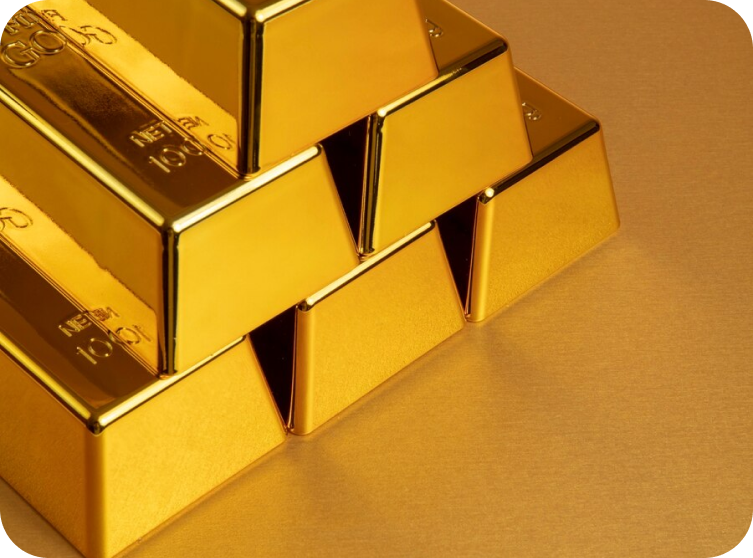
Gold is usually marked with a karat stamp such as 10K, 14K, 18K, or 24K. Higher-karat gold contains more pure gold, although a 14K piece from a sought-after maker can be worth more to a vintage buyer than its metal value alone. Look for stamps inside ring bands, on earring posts, near necklace clasps, or on bracelet findings.
Sterling silver is commonly marked “Sterling,” “925,” or “.925.” Solid sterling jewelry has both material value and strong resale appeal when it has distinctive design, a known maker, or quality stonework. Silver-tone, nickel silver, and plated items can still be attractive vintage jewelry, but they do not carry the same precious-metal value.
Platinum is less common in everyday jewelry but can be especially valuable. It may be marked PLAT, PT, 950PT, or a similar variation. Older platinum rings often feature fine engraving, filigree, and diamond settings that deserve a closer inspection.
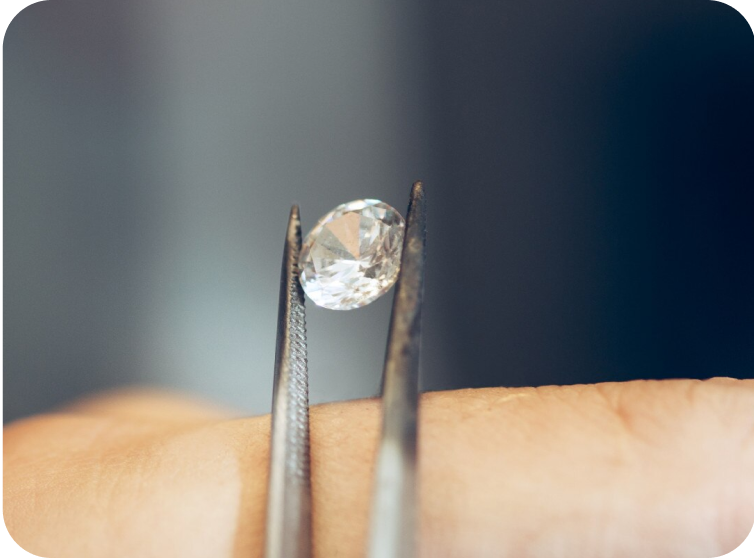
Gemstones matter, but they should not be assumed to be genuine based on appearance alone. Diamonds, rubies, sapphires, emeralds, opals, turquoise, jade, coral, and pearls can add value. Still, a stone may be synthetic, treated, dyed, replaced, or imitation. Testing and a trained eye make a major difference here.
A Name or Maker’s Mark Can Change the Answer
A small signature can turn an ordinary-looking item into a collectible piece. Check the back of brooches, the underside of pendants, bracelet clasps, watch cases, and the inner shank of rings. In addition to metal marks, you may find a designer name, hallmark, workshop stamp, or initials.
Well-known jewelry houses, established American makers, and recognized artisan jewelers often command stronger prices because buyers can verify who made the piece. A signed item also has a clearer story, which helps when selling or insuring it.
Native American and Southwestern jewelry deserves special care in this area. Authentic sterling silver and turquoise jewelry, particularly work attributed to known artists or established trading traditions, can have meaningful collector value. The quality of the silverwork, the type of turquoise, stone setting, stamp work, and attribution all matter. Avoid relying on broad labels alone. “Native style” and genuine artist-made Native jewelry are not the same thing, and accurate representation protects both the seller and the buyer.
Style, Era, and Craftsmanship Affect Resale Value
Jewelry value is not purely about melt weight. A finely made Art Deco ring, a mid-century modern necklace, a Victorian mourning brooch, or a bold 1970s turquoise cuff may sell for more than its raw materials because it has a look buyers actively want.
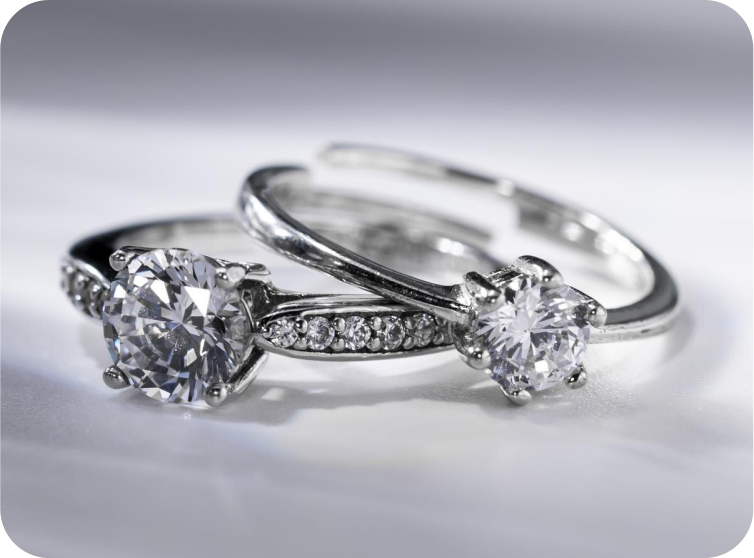
Details that can increase interest include hand engraving, filigree, repoussé work, hand-cut stones, articulated links, enamel, unusual clasps, and original period construction. Matching sets of earrings, necklace, bracelet, or brooch can also be more appealing than individual pieces.
Fashion demand changes over time. Yellow gold, signet rings, charm bracelets, colorful gemstone jewelry, and substantial silver pieces have all had periods of renewed popularity. That does not mean every example will bring a premium. It means the right piece, in the right condition, can have a market beyond scrap value.
Costume jewelry has its own collector market as well. Older pieces from recognizable makers, especially those using quality rhinestones, glass, enamel, or unusual construction, may be worth more than expected. A lightweight unmarked rhinestone brooch is usually a modest item. A signed, well-preserved piece with original stones can be a different situation entirely.
Condition Matters, but Do Not Rush to Clean It
Condition affects what a buyer can pay. Missing stones, bent prongs, damaged clasps, worn plating, cracks in turquoise, and broken chains all reduce value or increase the cost of resale. However, damaged precious-metal jewelry may still be worth selling for its gold, silver, or platinum content.
Before you do anything, resist aggressive cleaning. Toothpaste, harsh chemicals, polishing wheels, and ultrasonic cleaners can scratch metal, remove intentional patina, loosen stones, or damage porous materials such as turquoise, opal, coral, pearl, amber, and enamel. Original patina can be part of the appeal of vintage silver, especially on artisan-made pieces.
A soft dry cloth is generally safe for a quick surface dusting. Beyond that, it is better to let a knowledgeable jeweler or vintage jewelry buyer inspect the item first. Keep any original box, receipt, appraisal, certificate, or note about family history with the jewelry. Documentation can help establish provenance, though it does not replace authentication.
Know Which Kind of Value You Are Asking About
When people ask whether old jewelry is worth anything, they may be thinking about several different values. These are not always the same.
Scrap value is based mainly on recoverable precious metal. This is often relevant for broken, single, heavily worn, or outdated gold and silver pieces.
Resale value reflects what a buyer may pay for the jewelry as wearable vintage merchandise. Design, brand, stones, condition, and demand are central here.
Appraisal or insurance value is usually higher than resale value because it estimates what it might cost to replace the item through retail channels. It should not be used as an expectation of what you will receive when selling.
Sentimental value is personal, and it deserves consideration before you sell. If a piece has family significance, take clear photos and ask relatives whether they know its history. You can always sell jewelry later. Recovering a family heirloom after it is gone is not so simple.
How to Get a Realistic Estimate
Start by sorting items by metal marks, signatures, and obvious gemstones. Photograph each piece in good natural light, including close-ups of stamps and any damage. Weighing an item can be useful, but remember that stones and non-metal components add weight without increasing metal value.
Then seek an evaluation from a buyer who regularly handles vintage and estate jewelry, not just generic secondhand goods. A specialist can test metal, examine construction, assess stones, recognize maker marks, and distinguish a piece with collector appeal from one best valued for material content.
Get more than one opinion if the item appears substantial, is signed, contains significant gemstones, or has a strong family history. For high-value jewelry, a qualified appraisal may be worthwhile, especially for insurance, estate planning, or division of property. For common items, the cost of a formal appraisal may exceed the practical benefit.
Be cautious with online price comparisons. An asking price is not a sale price, and marketplace listings often include inflated numbers. The most useful comparison is what similar authenticated pieces in comparable condition actually sell for.
What to Bring When You Sell Old Jewelry
A direct buyer can make selling easier, but prepare before you go. Bring matching pieces together, along with any boxes, certificates, receipts, or old appraisals. Do not remove stones or separate a set in an attempt to improve the offer. A complete, original piece is often more desirable.
Ask how the buyer determines value. A trustworthy process should account for testing, weight, condition, markings, and the possibility that a piece has resale value beyond scrap. At Vintage Jewelry Trade, the focus is on authentic, tested vintage jewelry, which is why careful identification matters on both sides of a sale.
The best first move is simple: set the jewelry aside, avoid quick cleaning, and have it examined before deciding what to do. Even if it is not a rare treasure, you will know whether you are looking at a keepsake, a wearable vintage find, or value you can put to use.