A ring marked “antique” can be 20 years old, 120 years old, or not old at all. That is the problem most buyers run into with authentic antique jewelry. The photos may look right. The seller may sound confident. But unless you know what to check, it is easy to pay antique prices for a reproduction, a heavily altered piece, or jewelry that is simply vintage rather than truly antique.
For most shoppers, that does not mean you need to become a gemologist or a historian. It means you need a practical way to separate age, authenticity, condition, and value. When you understand those four things together, buying older jewelry gets much less risky and a lot more rewarding.
What counts as authentic antique jewelry?
In the trade, antique jewelry usually means jewelry that is at least 100 years old. That age line matters because “antique” is often used loosely in resale listings. A 1940s bracelet may be beautiful and collectible, but it is vintage, not antique. An Edwardian ring from the early 1900s or a Victorian brooch from the late 1800s would generally qualify as antique.
The word authentic matters just as much as the word antique. An authentic antique piece is not just old in style. It is genuinely from the period it claims to be from, or it has enough original construction, materials, and period details to support that dating. That is different from a modern reproduction made to look old, and it is also different from a piece assembled later from antique parts.
This is where buyers sometimes need to accept a little gray area. Jewelry is wearable art, and older pieces were often repaired, resized, converted, or restored over time. A ring can still be an authentic antique ring even if the shank was replaced decades later. What matters is whether the core piece is period-correct, whether changes are disclosed, and whether the price reflects that reality.
Why buyers get confused
The antique jewelry market has always had overlap between true period pieces, estate jewelry, vintage jewelry, and reproductions. Online selling has made that overlap bigger. Some sellers use “antique” as a style word because it attracts attention. Others may not know enough to date a piece accurately.
There is also the issue of romantic language. Terms like “old world,” “heirloom style,” and “Victorian inspired” can sound reassuring, but they do not prove age. Buyers who focus only on appearance can miss the signals that experienced dealers look for first – construction methods, hallmark patterns, wear consistent with age, stone cuts, and materials commonly used in the era.
That is why tested and authenticated inventory matters. If a seller has already done the work of checking metals, reviewing hallmarks, and evaluating whether the design matches the claimed time period, you have a stronger starting point.
How to evaluate authentic antique jewelry before you buy
The first thing to look at is the basic dating claim. If a seller says a piece is Georgian, Victorian, Edwardian, or Art Deco, the design and construction should support that. For example, true Georgian jewelry is rare and often handmade, with closed-back settings and foil-backed stones. Victorian jewelry can range widely, but many pieces reflect sentimental motifs, old mine cut diamonds, seed pearls, or repoussé work. Edwardian jewelry often shows delicate filigree and platinum or platinum-topped settings. Early Art Deco pieces usually bring sharper geometry and different stone-setting styles.
Next, look at the metal and the marks. Hallmarks can help, but they are not the whole story. Some authentic pieces are unmarked, especially if they are very old, handmade, or from certain markets. At the same time, a mark alone does not guarantee authenticity. Marks can be misleading, worn, added later, or misunderstood. Metal testing is often more useful than relying only on a stamp.
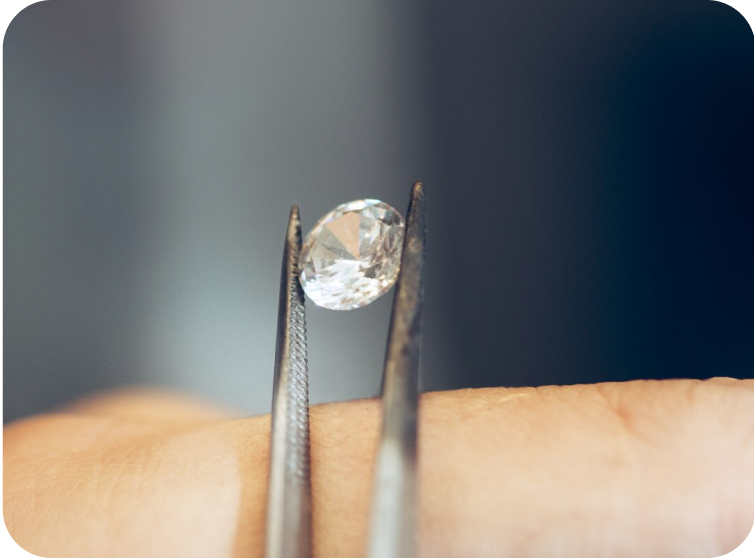
Stone cuts also tell a story. Antique diamonds and colored stones were cut differently than modern stones. Old mine cuts, old European cuts, rose cuts, and hand-cut colored stones often show softer symmetry and a different type of light return. That does not make them inferior. In many cases, that is exactly the appeal. But if a seller presents a ring as 1890s and the center stone is a modern brilliant cut with no explanation, that should raise questions.
Condition is another major factor. Wear is normal in authentic antique jewelry. Small signs of age can support authenticity. The real question is whether the piece is still sound enough to wear and whether repairs have changed its value. A clasp replacement on an old necklace may be practical and acceptable. Heavy rebuilding, missing original elements, or significant thinning in a ring shank may affect both price and long-term durability.
Authentic does not always mean untouched
This is one of the biggest misconceptions in the market. Buyers sometimes think a genuine antique piece must be completely original in every detail. In reality, many old pieces have lived full lives. Prongs were rebuilt. Clasps were replaced. Rings were resized. Brooches were converted into pendants. Stones were reset after damage.
Those changes do not automatically remove authenticity. They do, however, change how a piece should be described and priced. An honest seller should tell you when a component is later, when a setting has been altered, or when a piece has been converted for modern wear. That kind of transparency is a good sign because it shows the seller is evaluating jewelry as a dealer, not just marketing it.
For everyday buyers, the practical question is simple: do you want strict originality, or do you want period character with wearable function? Some collectors care deeply about original fittings and untouched construction. Other buyers want an antique ring they can wear every day without worrying about a fragile setting. Neither approach is wrong. It depends on why you are buying.
Price, rarity, and why fair value matters
Authentic antique jewelry can be expensive, but expensive does not always mean fairly priced. A lot depends on rarity, metal content, gemstone quality, design appeal, condition, and category demand. A handmade antique mourning brooch may be historically interesting but appeal to a narrower buyer pool than an Art Deco diamond ring. A sterling silver antique piece may be more affordable than gold, but still carry strong value if the workmanship or maker is notable.
This is where direct sourcing can make a real difference. When inventory comes through public buying channels instead of multiple dealer markups, pricing can stay closer to the actual market. That does not mean every antique piece should be cheap. It means the buyer has a better shot at paying for the jewelry itself rather than layers of resale inflation.
A trustworthy dealer should also know when to avoid overclaiming. Not every old ring is rare. Not every turquoise piece is Native-made. Not every engraved bracelet has major antique value beyond its metal and design. Honest pricing usually starts with honest identification.
Where shoppers make the most costly mistakes
The biggest mistake is buying based on style alone. A beautiful reproduction can still be a nice piece of jewelry, but it should not be priced like an antique. The second mistake is assuming all age-related wear is charming. Sometimes wear means structural weakness, and repairs can be expensive.
Another common mistake is ignoring testing and verification. Buyers often accept phrases like “appears to be gold” or “believed to be antique” without asking what supports that belief. In a careful jewelry business, metals are tested, stones are examined, and the dating claim is based on more than a guess.
The last mistake is shopping only by headline price. A lower price can be a great find, or it can signal hidden issues. On the other hand, a higher price may be justified if the piece is fully authenticated, properly described, and in strong wearable condition. Value is not just about what you spend today. It is about what you actually receive.
Buying with more confidence
If you are shopping for authentic antique jewelry, look for sellers who speak clearly about what they know and what they do not. You want real materials information, realistic dating, condition notes, and plain language about repairs or replacements. You also want inventory that has been curated rather than dumped into a marketplace with minimal review.
That approach is part of why buyers turn to specialized dealers instead of general resale platforms. At Vintage Jewelry Trade, the focus is on authentic, tested pieces and fair pricing, which is exactly what many buyers need when they want vintage character without the usual uncertainty.
Antique jewelry should feel exciting, not confusing. The right piece will have age, craftsmanship, and a story you can actually trust – and that is what makes it worth bringing home.