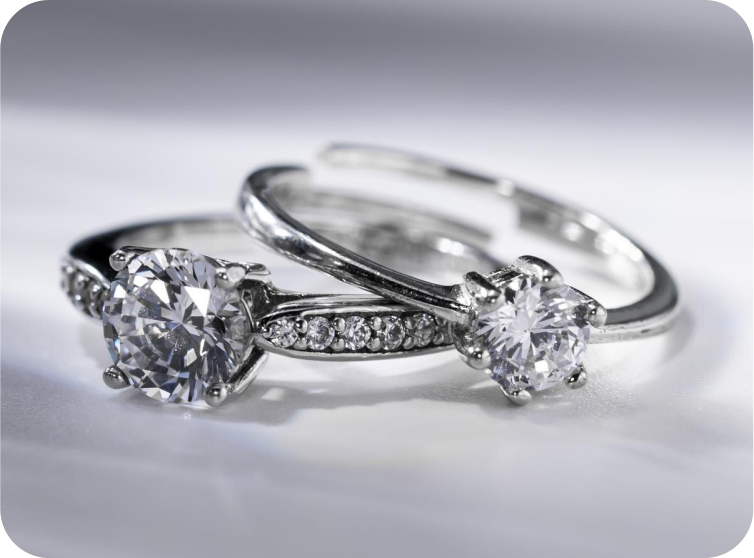
A darkened ring, dull necklace, or blackened detail on a vintage brooch can be disappointing when you first notice it. But silver tarnish is a normal surface reaction, not automatic proof that a piece is fake, damaged, or poorly made. In fact, genuine sterling silver often tarnishes over time, especially when it has been stored away, exposed to humidity, or worn around everyday products.
For vintage jewelry buyers, the goal is not to make every piece look factory-new. A careful cleaning should preserve the metal, protect stones and finishes, and let the character of the piece show. That matters even more with older sterling silver, turquoise jewelry, Native-made pieces, and artisan designs with intentional darkened details.
What Causes Silver Tarnish?
Silver tarnishes when the metal reacts with sulfur-containing compounds in the air. The result is a thin dark layer on the surface. It may look yellowish at first, then brown, gray, blue-black, or nearly black as it develops.
Sterling silver is especially prone to this because it is usually made of 92.5% silver and 7.5% other metals, commonly copper. The added metal makes sterling strong enough for jewelry, but it can also make the surface more reactive than pure silver.
Your jewelry may tarnish faster because of humidity, air pollution, household cleaning products, rubber, wool, perfume, hairspray, lotion, sunscreen, sweat, or chlorine. A silver bracelet left in a bathroom can tarnish much sooner than the same bracelet stored dry in a closed pouch.
Tarnish is not always bad news. On some vintage designs, dark recessed areas are intentional. This finish, often called oxidation or antiquing, creates contrast in engraved patterns, stamped silverwork, and dimensional details. Removing it aggressively can flatten the design and reduce the piece’s original look.
How to Tell Tarnish From Damage
Tarnish sits on the surface. It usually appears as even dullness or dark patches and often improves with gentle polishing. Damage is different. Deep scratches, pitting, worn plating, green corrosion, loose stones, cracked turquoise, and exposed base metal require a more cautious approach.
Look closely at high-contact areas such as ring shanks, clasp edges, bracelet corners, and the backs of pendants. If a piece is silver plated, hard polishing can eventually wear through the thin silver layer and reveal a different-colored metal underneath. Sterling silver can be polished more safely, but it still deserves a light hand.
If a vintage piece has a dark finish only inside its engraved lines, around raised motifs, or behind a stone setting, leave that detail alone. It is likely part of the intended design rather than ordinary silver tarnish.
The Safest Way to Clean Sterling Silver
For most plain sterling silver jewelry, start with the least aggressive method: a soft, dry silver-polishing cloth. Rub lightly, working in small sections. This removes light tarnish and fingerprints without soaking the jewelry or exposing it to harsh chemicals.
A polishing cloth is a good first choice for solid sterling rings, chains, earrings, and bracelets without delicate stones. It is also useful for routine maintenance between deeper cleanings. Do not use paper towels, tissues, rough cloths, or toothbrushes. They can leave fine scratches that make polished silver look cloudy over time.
When a piece needs more than a dry cloth, use lukewarm water, a small amount of mild dish soap, and a very soft cloth. Wipe the metal rather than leaving the jewelry to soak. Rinse briefly if needed, then dry it completely with a clean, lint-free cloth.
This gentle soap-and-water method works best for sturdy sterling pieces with no porous stones, glued components, fragile enamel, or moving watch parts. Drying is not optional. Moisture left around settings and clasps can lead to more tarnish and can cause trouble in older jewelry.
For Heavy Tarnish, Slow Down
Heavy black tarnish can tempt people to reach for a strong silver dip, baking soda paste, or abrasive cleaner. These methods can produce quick results, but quick is not always safe for vintage jewelry.
Chemical dips can strip intentional oxidation and may affect certain stones, adhesives, and finishes. Baking soda is mildly abrasive, so repeated use can wear down fine details. Toothpaste is even riskier because many formulas contain abrasives that scratch silver. A piece may look brighter right away while losing surface polish and detail over time.
If the piece is solid sterling silver, has no stones or mixed materials, and is heavily tarnished, a quality silver cleaner made for sterling may be appropriate. Follow the product directions exactly, use it sparingly, and polish gently afterward. When there is any doubt about the material or construction, professional cleaning is the safer value choice.
Extra Care for Turquoise, Native Jewelry, and Vintage Stones
Turquoise needs special attention. It is a porous stone and can be affected by chemicals, heat, moisture, and oils. Never soak turquoise jewelry, use silver dip around it, or scrub near the stone with a polishing compound.
Clean the silver areas around turquoise with a barely damp soft cloth, keeping moisture away from the stone and setting. Then dry the piece right away. The same caution applies to coral, pearl, opal, amber, shell, lapis, malachite, and many older glued-in stones.
Native jewelry and artisan silverwork often feature oxidized backgrounds that make hand stamping, repoussé, or engraved details stand out. Polish only the raised silver surfaces if they need brightening. Let the recessed dark areas remain. The contrast is part of what gives the workmanship its depth.
Vintage jewelry also may have repairs, older solder, or stone settings that have loosened with age. If you hear a rattle, see a gap around a stone, or notice a crack, skip cleaning until the piece can be assessed. Water and pressure can turn a small issue into a missing stone.
What Not to Use on Silver Jewelry
Avoid common household shortcuts that treat every silver item the same way. Jewelry has stones, settings, finishes, and thin areas that a flatware method may not account for.
Do not use bleach, ammonia, chlorine, acetone, oven cleaner, abrasive powders, steel wool, or rough brushes. Keep silver jewelry out of swimming pools and hot tubs, where chlorine can discolor and weaken metal over time. Ultrasonic cleaners are also not a universal answer. They can loosen stones and damage porous gems, enamel, or older repairs.
Aluminum foil and baking soda baths are widely recommended online, but they are best reserved for plain, sturdy silver items. They are not the right choice for turquoise jewelry, oxidized pieces, silver plate, or jewelry with delicate stones. A method that is safe for a simple chain can be a poor fit for a one-of-a-kind vintage pendant.
How to Prevent Silver Tarnish Between Wears
The easiest way to manage tarnish is to slow it down. Put jewelry on after perfume, hairspray, lotion, and sunscreen have dried. Remove rings and bracelets before cleaning, swimming, gardening, or applying hand sanitizer repeatedly.
After wearing a piece, wipe it with a soft dry cloth before putting it away. Store each item in a dry, closed pouch or compartment, ideally away from direct sunlight and bathroom humidity. Anti-tarnish strips can help in a jewelry box, but replace them as directed.
Keeping pieces separate also prevents scratches and tangles. A sterling chain can pick up marks from harder metal findings, gemstones, or a watch bracelet when everything is stored together. For collectors, a simple labeled pouch system makes it easier to protect jewelry and find it when you want to wear it.
When Tarnish Adds to Vintage Character
Not every dark spot needs to be polished away. Some collectors prefer the soft gray patina that develops naturally on older sterling silver. It can highlight age, craftsmanship, and carved detail in a way a mirror-bright finish does not.
The right choice depends on the piece and how you plan to wear it. A classic sterling chain may look best bright and clean. A hand-stamped turquoise cuff may look better with gentle patina left in place. At Vintage Jewelry Trade, we value authentic vintage character as much as clean presentation, so preservation is usually the better approach when a finish is part of the design.
A little tarnish should never keep a good piece of silver jewelry in a drawer. Clean it carefully, protect the details that make it special, and wear it often enough to enjoy the craftsmanship that brought you to it in the first place.