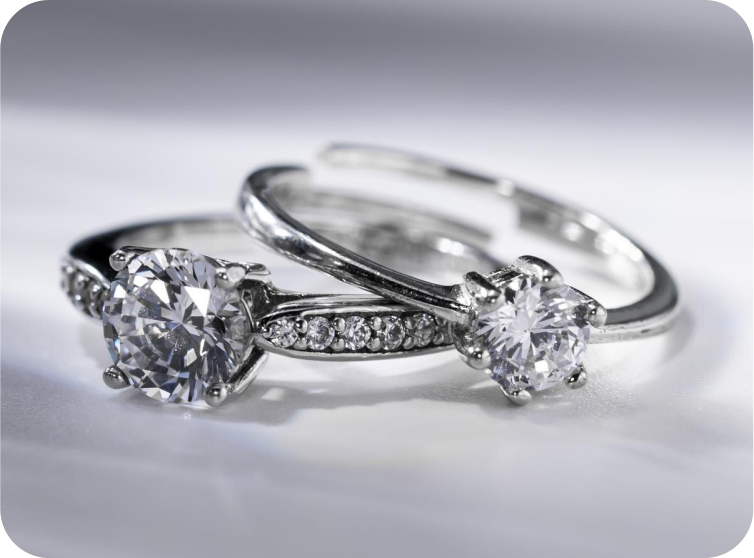
Vintage gold should not need aggressive cleaning to look good. Knowing how to clean vintage gold comes down to removing everyday oil and residue without stripping a piece’s finish, loosening an old setting, or harming a stone that has been in place for decades. A gentle clean often brings back more shine than people expect.
Gold is durable, but vintage jewelry is not always simple. A ring may be solid gold with a secure diamond, while a pendant may be gold-filled, plated, set with turquoise, or assembled with older adhesives. Treat the whole piece, not just the metal.
Before You Clean Vintage Gold, Identify What You Have
Start by looking for marks in an inconspicuous spot, such as inside a ring shank, near an earring post, or on a clasp. Marks including 10K, 14K, 18K, and 22K usually indicate solid gold. The higher the karat, the more pure gold the item contains. Lower-karat gold has more alloy metals, which can dull or darken from exposure to lotion, sweat, perfume, and air.
A mark such as GF, gold-filled, GEP, HGE, or plated calls for extra care. Gold-filled jewelry has a bonded layer of gold and can hold up well with light cleaning, but repeated polishing can eventually wear through the surface. Gold-plated jewelry has a thinner gold layer and should never be scrubbed hard or treated with abrasive compounds.
Then inspect the jewelry under good light. Stop before cleaning if you see a loose stone, bent prong, damaged clasp, cracked chain link, or a cloudy area under a stone. Water can work its way into compromised settings, and a cleaning session is not worth turning a small repair into a lost stone.
Know when water is not the right choice
Plain gold jewelry with securely set diamonds, rubies, sapphires, or most durable hard stones can usually tolerate a brief, gentle wash. Still, many vintage pieces need a dry approach. Avoid soaking jewelry set with pearls, turquoise, opal, coral, amber, emerald, lapis, malachite, shell, enamel, or glued-in stones. These materials can absorb moisture, crack, discolor, or loosen from their settings.
Vintage watches deserve their own caution. Unless a watch has been professionally tested for water resistance, do not immerse it. Wipe the case and bracelet carefully instead, keeping moisture away from the crown, seams, and dial.
The Safest Way to Clean Most Vintage Gold Jewelry
For a solid gold item in good condition, use a small bowl of lukewarm water with a few drops of mild dish soap. Choose a simple soap without bleach, moisturizers, exfoliating particles, or heavy fragrance. Those extra ingredients can leave a film behind.
Place the jewelry in the water for five to 10 minutes. This short soak softens body oil and ordinary grime without asking too much of an older setting. Do not leave it unattended or soak it overnight.
After soaking, use a very soft toothbrush or small makeup brush to clean around the back of stones, under ring settings, near clasps, and between chain links. Use almost no pressure. The goal is to move loosened residue away, not to polish the metal with the bristles.
Rinse the piece quickly in a second bowl of clean lukewarm water rather than directly under a faucet. A bowl keeps a small earring, charm, or ring from disappearing down the drain. Pat it dry with a soft, lint-free cloth, then let it air-dry completely on a clean towel before storing it.
For a simple gold band or an all-gold chain, this process is usually enough. If the piece still looks dull, the issue may be scratches, worn plating, or aged alloy discoloration rather than dirt. More force will not solve those problems safely.
How to Clean Vintage Gold With Stones or Delicate Details
When a piece includes a moisture-sensitive stone, skip the soak. Instead, dampen a soft cloth with the soap-and-water mixture, wring it out well, and gently wipe the gold areas. Follow with another barely damp cloth to remove soap, then dry immediately.
Work slowly around decorative engraving, filigree, and beadwork. Vintage jewelry often holds dust and polish residue in these details, but sharp tools and stiff brushes can leave marks. A dry, soft brush can lift loose debris from crevices before you use a cloth.
For pearls, coral, turquoise, and other soft materials, use only a soft dry cloth unless a qualified jeweler recommends otherwise. Pearls in particular should be wiped after wear, since perfume, hairspray, and skin oils can damage their surface over time. Never put pearl jewelry in an ultrasonic cleaner.
If a stone looks hazy from underneath, resist the urge to pry at it or flood the setting with cleaner. The cloudiness may be residue beneath the stone, deterioration of old adhesive, or a problem inside the gem itself. A jewelry repair professional can assess whether the piece needs to be opened, cleaned, and reset.
Cleaners and Methods to Avoid
A bright finish is not always a better finish. Older gold jewelry may have a soft patina that gives it character, especially on engraved pieces and estate designs. Harsh cleaning can erase that contrast and make the item look less original.
Keep these methods away from vintage gold:
- Toothpaste, baking soda, salt, and powdered cleaners can scratch gold and wear down plating.
- Bleach, chlorine, acetone, and strong household cleaners can damage alloys, stones, finishes, and soldered areas.
- Ultrasonic cleaners may loosen stones, crack fragile gems, or stress older settings.
- Steam cleaners can force moisture into delicate pieces and expose weak glue or worn construction.
Commercial jewelry dips are also a poor default choice. They can make some pieces look bright quickly, but they are not selective. A dip cannot tell the difference between solid 14K gold, thin plating, porous turquoise, old enamel, or a stone held by aging adhesive.
Should You Use a Gold Polishing Cloth?
A gold polishing cloth can be useful on a plain solid-gold band, a sturdy chain, or a piece that has light surface dullness. Use it sparingly and with a light touch. These cloths contain polishing agents, so every use removes a tiny amount of material.
Avoid polishing cloths on plated or gold-filled jewelry unless the manufacturer specifically says they are safe for that finish. They can wear through thin gold layers, especially on high-contact areas such as ring shanks, bracelet edges, and pendant bails. Do not rub a cloth over pearls, turquoise, enamel, or stones.
If your goal is resale value, original surface condition often matters more than an overly bright shine. Collectors and knowledgeable buyers generally prefer a well-cared-for vintage piece over one that has been aggressively polished into a newer-looking version of itself.
Keep Vintage Gold Cleaner Between Wears
The easiest cleaning is the one you do not have to do. Put vintage gold on after makeup, lotion, perfume, and hairspray have dried. Take rings and bracelets off for swimming, cleaning, gardening, and exercise. Chlorinated pools are particularly hard on jewelry, and grime can collect quickly in detailed settings.
Store each piece separately in a soft pouch or lined compartment so chains do not tangle and gold surfaces do not rub against harder jewelry. Keep it dry and away from direct sunlight. For a favorite ring or everyday chain, a quick wipe with a soft cloth after wear can prevent buildup from becoming a bigger job.
When you buy vintage jewelry, condition is part of its story. Gentle care protects the tested gold, the craftsmanship, and the one-of-a-kind details that made you choose it in the first place.