A vintage jewelry box can hold very different kinds of value: a 14K gold ring with a strong scrap floor, a signed sterling bracelet collectors recognize, or a beautiful costume brooch bought mainly for its style. Jewelry resale market trends are making those differences more visible. Buyers want character and fair pricing, while sellers want a straightforward answer to a basic question: what is this piece really worth?
The answer is rarely just about age. Metal content, condition, maker, design, provenance, and current buyer demand all matter. A good resale market rewards pieces that are genuine, wearable, accurately represented, and priced with the real market in mind.
What Jewelry Resale Market Trends Mean Right Now
Resale jewelry is no longer limited to formal estate sales, local antique stores, and pawn counters. Shoppers can compare thousands of pieces online, which has expanded access to vintage jewelry but also made trust more valuable. A listing that says “vintage silver” without a metal test, clear photos, measurements, or condition details leaves too much for a buyer to guess.
At the same time, buyers are less interested in jewelry that looks interchangeable. A one-of-a-kind turquoise pendant, an engraved signet ring, or a well-made mid-century bracelet offers something a new mass-market piece often cannot: real materials, established craftsmanship, and a history of wear that gives it personality.
That does not mean every older item is automatically a bargain or an investment. Trends affect style demand, while precious-metal pricing affects the baseline value of gold, sterling silver, and platinum. The strongest buying decisions consider both.
5 Jewelry Resale Market Trends Shaping Value
1. Gold continues to set a practical value floor
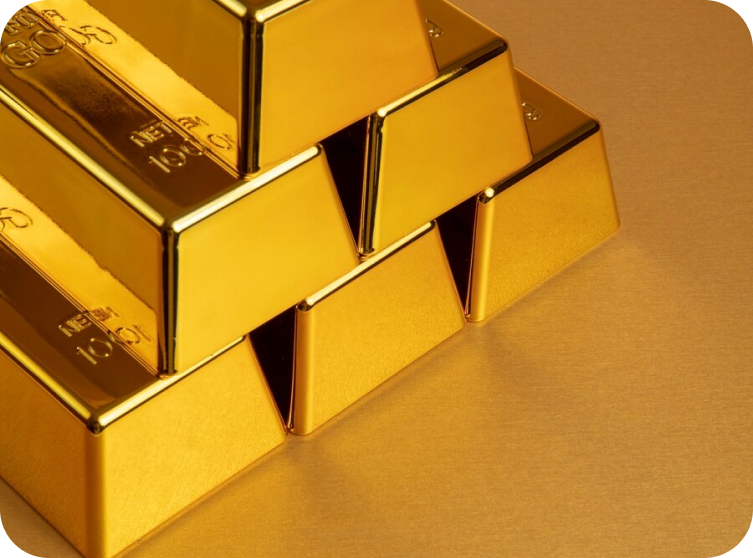
Gold jewelry remains a dependable part of the resale market because its value is tied to more than fashion. A chain, ring, or pair of earrings marked 10K, 14K, or 18K contains measurable precious metal, assuming the piece is properly tested and the marking is accurate.
For buyers, this makes gold vintage jewelry easier to evaluate than many unmarked fashion pieces. Weight, karat, construction, and condition all influence the price. A lightweight hollow chain and a heavy solid chain may look similar in photos, but they do not carry the same material value or wearability.
For sellers, high gold prices can make a direct sale appealing. Still, scrap value is not always the whole story. A wearable signed ring, distinctive antique setting, or unusual design may deserve more consideration than its metal alone. It depends on whether the piece has resale appeal beyond the scale.
2. Sterling silver and turquoise remain strong personal-style categories
Sterling silver has long been a favorite for buyers who want authentic jewelry without the price of gold. It works across styles, from simple silver hoops to bold cuffs, gemstone rings, and detailed Southwestern-inspired pieces. The market is especially active for jewelry with natural turquoise, substantial weight, quality stonework, and a design that feels individual rather than generic.
Authenticity matters greatly here. “Sterling” should mean tested or properly verified sterling silver, not simply silver-colored metal. Turquoise also varies widely in color, matrix, cut, stability, and value. Clear item descriptions help buyers understand what they are purchasing and help sellers receive a fairer evaluation.
Native American jewelry calls for extra care in representation. A piece should not be described as Native American-made unless its maker, tribal affiliation, or provenance supports that claim. Honest descriptions protect both the history of the jewelry and the buyer.
3. Distinctive craftsmanship is beating generic luxury signals
Many resale buyers are looking past logos in favor of pieces with visible workmanship. Hand-engraving, substantial links, older stone cuts, hand-fabricated details, and unusual settings can attract attention because they are difficult to duplicate at a department store.
This is good news for shoppers building a personal collection. Vintage jewelry offers a way to wear something uncommon without paying a boutique premium simply for a current-season label. It is also why condition should be viewed in context. Gentle patina can suit an older silver piece, but a loose stone, damaged clasp, cracked turquoise, or heavily worn plating changes the value.
A practical rule is to buy the best condition you can afford within the style you truly plan to wear. Repairable issues are not always a deal breaker, but the price should leave room for professional work.
4. Documentation and accurate descriptions are becoming part of the product
Online resale has made good information a selling feature. Buyers increasingly expect close photos, measurements, metal details, hallmarks when present, and an honest note about wear. They should also be able to tell whether a ring size, necklace length, bracelet inner circumference, or earring drop will work for them before ordering.
The same applies to authentication. Hallmarks can be useful, but they are not a guarantee on their own. Marks can be worn down, misread, or copied. Testing is what turns a claim about gold or sterling into a claim a buyer can rely on.
This shift benefits reputable dealers and informed sellers alike. When the materials and condition are presented clearly, customers can compare value instead of shopping by vague labels or dramatic stories.
5. Direct resale is competing with the hassle of public marketplaces
Selling jewelry through peer-to-peer platforms can seem simple until the work begins. Photographing pieces, researching marks, answering messages, handling payment concerns, and negotiating with strangers takes time. Auction routes can bring exposure, but fees, wait times, and uncertain final prices are trade-offs.
A direct jewelry buyer offers a different path: a specialized evaluation and a clear offer based on the item’s actual resale potential. That can be especially useful for people sorting an estate, downsizing a collection, or selling jewelry they no longer wear. The best option depends on the piece. Rare, highly collectible items may benefit from a specialized auction audience, while everyday gold, sterling, and vintage jewelry may be better suited to a direct sale.
How Buyers Can Shop the Resale Market With Confidence
Start with the information that affects real value. Look for metal testing or a clear statement of metal content, then check weight when it is relevant, measurements, condition notes, and photos of marks or signatures. For gemstone jewelry, ask whether stones are natural, treated, chipped, or loose when those details are not already stated.
Next, separate material value from collector value. A plain 14K band may be priced mainly for gold content and condition. A signed sterling cuff may carry value because of its maker, design, and demand among collectors. A rhinestone brooch may have little metal value but still be an excellent purchase if the design, color, and construction make it special to you.
Finally, buy for wear, not just potential resale. Jewelry trends change. A piece that fits your style and is well made gives you value every time you put it on. Vintage Jewelry Trade focuses on authentic, tested pieces because confidence in what you are buying should not be treated as an extra.
What Sellers Should Know Before Asking for an Offer
Avoid polishing, repairing, or separating jewelry before you understand what you have. Over-cleaning can remove desirable patina, and replacing an original stone or part can reduce collector interest. Keep signed pieces, matching sets, original boxes, and any paperwork together.
It also helps to set reasonable expectations. A sentimental item may be priceless to a family, while the resale market evaluates it through materials, workmanship, condition, and demand. An experienced buyer should explain the factors that matter without inflating the story around the piece.
For gold and sterling jewelry, accurate testing is the starting point. For artisan, signed, antique, or turquoise pieces, details such as maker marks, construction, stone quality, and provenance can affect the offer. Clear information leads to a clearer transaction.
The resale market is at its best when buyers get genuine pieces at fair prices and sellers get an honest evaluation without unnecessary guesswork. Whether you are choosing a daily-wear silver ring or deciding what to do with an inherited jewelry box, let tested materials, useful details, and your own sense of style guide the next step.