A turquoise cuff passed down through a family, a sterling silver ring found in a dresser drawer, and a 14K gold chain that no longer fits someone’s style can all have a second life. That is the real opportunity behind the future of jewelry resale: more good jewelry returning to people who will actually wear, collect, and value it.
Resale is not new, but the expectations around it are changing quickly. Buyers have more places to shop than ever, yet more choices have made trust harder to find. A listing can call a piece vintage, sterling, Native, handmade, or gold-filled without providing the details needed to support that claim. The resale businesses that earn repeat customers will be the ones that make the facts clear, price pieces fairly, and treat every item as more than a quick listing.
The Future of Jewelry Resale Will Be Built on Proof
The strongest shift in the market is simple: shoppers want evidence. Clear photos are no longer enough. Buyers want to know what a piece is made of, whether it has been tested, what marks it carries, its measurements, condition, and any repair history that affects wear or value.
This matters most with metals and stones. Sterling silver should be represented accurately, not assumed just because a piece has a silver color or an unclear stamp. Gold jewelry needs an honest description of its karat and construction. Turquoise deserves special care because color alone cannot confirm its origin, treatment, or whether it is natural versus stabilized. Good resale selling does not turn uncertainty into a marketing claim.
For shoppers, this creates a better standard than buying from an unverified peer-to-peer listing. A tested 925 bracelet with disclosed wear may be a smarter purchase than a vague “vintage silver” bracelet with a low price and no supporting information. The first piece gives you a real basis for comparing value.
There is a difference between material authentication and cultural or maker attribution, too. A seller may be able to test a cuff as sterling silver, but that does not automatically establish that it was made by a particular Native artist or community. In the years ahead, responsible sellers will be more careful with provenance language, and knowledgeable buyers will reward that restraint.
Condition Will Be Part of the Value Conversation
Vintage jewelry is expected to show its age. Light surface wear, patina, tiny marks, and older construction methods are often part of its character. But age should not hide issues that affect durability. Loose stones, thin clasps, worn prongs, damaged links, altered ring sizing, and missing earring backs should be disclosed plainly.
That does not mean every vintage piece must look new. In fact, polishing away all patina can reduce the appeal of certain sterling silver and artisan pieces. The better question is whether the jewelry is wearable, accurately described, and priced with its condition in mind. Buyers who understand that distinction will find far more value than shoppers who expect estate jewelry to be flawless.
More Inventory, But Not All of It Will Be Equal
As people clean out estates, update their personal style, and look for practical ways to sell unused valuables, more jewelry will enter the resale market. That is good news for buyers. It means more one-of-a-kind rings, signed costume pieces, old watches, gold chains, turquoise jewelry, and unusual artisan work that cannot be found in a current mall jewelry store.
Still, more supply does not automatically mean better shopping. Large resale marketplaces can offer thousands of listings, but the buyer often has to sort through incomplete descriptions, questionable metal claims, copied photos, and sellers with very different levels of experience. The lowest listed price is not always the best value when an item needs repairs or is not what it was represented to be.
Curated resale will matter more because it saves shoppers time and reduces guesswork. A dealer who buys directly from the public, evaluates each piece, and places it in the right category can offer a different experience from an open marketplace. At Vintage Jewelry Trade, direct sourcing helps keep distinctive inventory moving from previous owners to new ones without piling on extra middleman costs.
That model also benefits sellers. Someone selling a small estate or a few unwanted pieces may not want to photograph, measure, list, pack, insure, and manage returns for every item. A direct sale to a specialized jewelry buyer may bring less than the absolute highest possible private-sale price, but it can offer speed, clarity, and a more realistic process. The right choice depends on the item, the seller’s time, and how much work they are willing to take on.
Fair Pricing Will Matter More Than Bargain Pricing
Resale buyers are value-conscious, but they are not only looking for the cheapest item. They want to feel that the price makes sense. That means considering metal content, maker, craftsmanship, condition, stone quality, rarity, weight, design, and current demand.
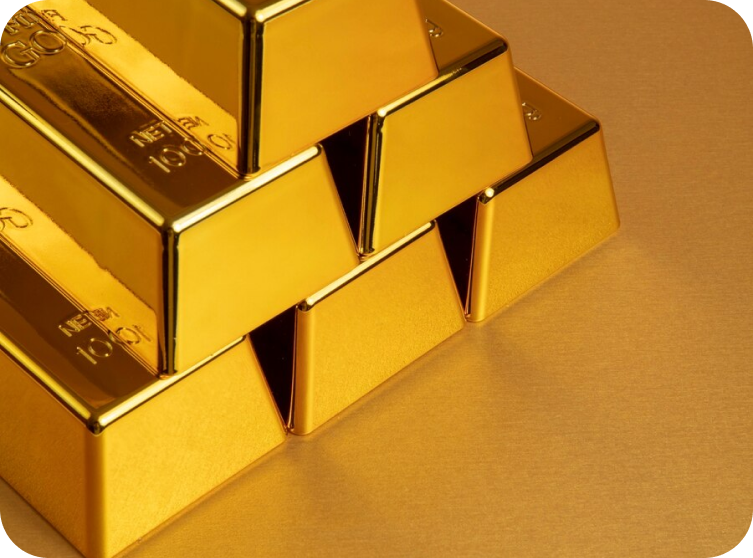
A heavy sterling silver necklace and a lightweight silver-plated necklace may look similar from across a room, but they do not belong in the same price range. A signed mid-century brooch may command more than an unsigned example because collectors recognize the maker. A plain 10K gold ring may carry value well beyond its style because of its gold content. Context is what turns a price tag into a fair price.
The future market may become more transparent, but it will not become perfectly fixed. Jewelry is personal. A bold 1970s turquoise pendant may be worth more to a collector who has been searching for that look than to someone who only wants metal value. Trends will keep moving as well. Yellow gold, chunky chains, western-inspired silver, sentimental lockets, and colorful stones can rise and fall in popularity.
Smart buyers should use trend awareness as a guide, not a rule. Buy the piece you will wear or genuinely appreciate. If it also holds value well, that is a welcome advantage. If you are buying strictly as an investment, be more selective. Condition, proven maker attribution, precious metal content, and lasting demand tend to matter more than a short-lived social media trend.
Technology Can Help, but It Cannot Replace a Trained Eye
Better photography, image search, digital inventory records, and metal-testing tools will make resale easier to shop. Shoppers may see more detailed measurements, closer views of hallmarks, and clearer condition photos before they decide. That is useful progress.
But technology has limits. An app may identify a visual style, yet it cannot reliably confirm a metal’s purity from a photograph. It may mistake a reproduction for an older piece or assign an artist’s name based on a similar design. Even a stamp requires judgment because marks can be worn, incomplete, misleading, or added to a later component.
The best future for jewelry resale combines useful tools with dealer experience. Testing, inspection, research, and honest descriptions still do the work that protects buyers. When information is unavailable, a trustworthy seller should say so rather than fill the gap with a confident-sounding story.
What Buyers Should Look For Next
As resale grows, shoppers can protect their budget by focusing on a few practical signals. Look for material details rather than broad labels, measurements that help you judge scale, multiple photos that show marks and condition, and descriptions that distinguish known facts from estimates. For watches, ask whether they are running and whether any service information is available. For rings, check the stated size and consider whether resizing is practical for the design.
It also helps to ask what matters most to you before shopping. If you want an everyday necklace, secure construction and comfortable wear may matter more than a famous maker. If you collect Native jewelry, documentation and careful attribution may be worth waiting and paying for. If you are buying a gift, a classic tested sterling silver piece may offer more confidence than a fashionable but unclear listing.
The best resale purchase is rarely the item with the loudest claim. It is the piece whose materials, condition, price, and story are clear enough for you to choose it with confidence. Keep asking good questions, and let the jewelry that answers them well earn a place in your collection.