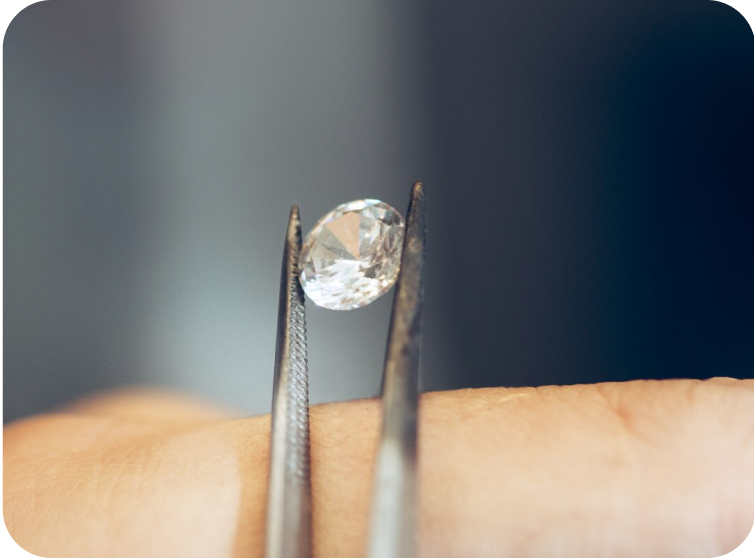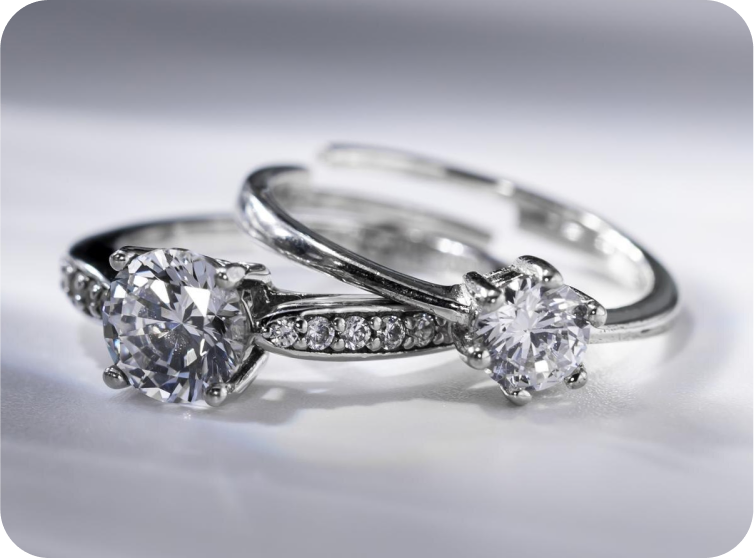
A ring can carry more than a pretty stone. Estate rings often show the workmanship, design choices, and materials of another era, whether that means a bold sterling silver turquoise setting, a detailed gold band, or a diamond ring with a profile you will not see in every mall jewelry case. For buyers who want a piece with personality and real value, estate jewelry is worth a close look.
The key is buying with clear expectations. Age alone does not make a ring valuable, and a low price does not automatically mean a bargain. Metal content, condition, craftsmanship, stone quality, maker marks, and fit all matter. A carefully tested, accurately described ring gives you a much better starting point than an unverified listing with vague claims.
What Makes a Ring an Estate Ring?
An estate ring is jewelry that has been previously owned and is being sold again. It may be antique, vintage, or simply pre-owned. These terms are related but not interchangeable.
An antique ring is generally at least 100 years old. Vintage usually refers to a piece from a past style period, often several decades old. Estate can cover both categories, as well as more recent rings from an estate, collection, or private seller. That broad definition is useful because it opens the door to a wide range of authentic jewelry at prices that can be more approachable than newly made pieces.
It also means you should read the description rather than relying on a label. A 1970s sterling silver ring and an Edwardian gold ring may both be estate pieces, but their construction, wear, rarity, and care needs are completely different.
Why Buyers Choose Estate Rings
The strongest reason to shop estate rings is individuality. Jewelry production changes with fashion and manufacturing methods. Older pieces may have hand-finished details, substantial metal weight, unusual stone cuts, or design elements that are hard to find in current retail collections.
Value is another reason. A pre-owned ring does not carry the same new-retail markup as a comparable modern piece. When a dealer buys directly from the public, evaluates the item, and sells it without several layers of middlemen, buyers can often find genuine gold, sterling silver, turquoise, and gemstone jewelry at fairer prices.
There is a practical side, too. Estate shopping lets you choose from many looks instead of settling into one trend. A simple signet ring can work as an everyday piece. A large turquoise ring can become the focal point of an outfit. A vintage diamond ring may make a meaningful engagement or anniversary choice. The best ring is not necessarily the oldest or most expensive one. It is the one you will enjoy wearing.
Check the Materials Before You Fall for the Look
Photos are helpful, but the material details tell you what you are actually buying. Start with the metal. Look for stamps such as 925 or sterling for sterling silver, 10K, 14K, or 18K for gold, and platinum marks where applicable. Marks are useful clues, although they are not the only proof of metal content. Authenticity testing matters, particularly when a stamp is worn, missing, or questionable.
Sterling silver is a popular choice for collectors and everyday wearers because it offers substantial presence at a lower price than gold. It can tarnish over time, but tarnish is usually manageable with proper care. Gold is more resistant to tarnish and may suit buyers looking for a traditional fine jewelry piece, though karat level affects color, durability, and price.
For gemstone rings, ask what the stone is and how it is described. Natural turquoise, for example, can vary widely in color, matrix, hardness, and treatment. A turquoise cabochon with natural character may be exactly what a collector wants, while someone seeking a smoother, uniform appearance may prefer a different stone. Neither preference is wrong, but the description should match the piece.
If a ring is presented as Native jewelry or as the work of a named artisan, provenance and accurate attribution are especially meaningful. Genuine pieces deserve careful representation, not broad assumptions based on style alone.
Look Closely at Settings and Stones
A ring can be beautiful and still need attention. Check whether prongs appear even and secure, whether bezel edges sit tightly around a stone, and whether there are visible chips, cracks, or deep scratches. Some age-related wear is normal in estate jewelry. The question is whether it affects wearability or future repair costs.
Soft stones deserve extra consideration. Opal, turquoise, coral, pearl, and emerald can be more vulnerable than diamond, sapphire, or ruby. A large stone in a high setting may look dramatic but can be easier to knock against a countertop or doorframe. If you want an everyday ring, a lower-profile bezel setting may be a smarter fit than a tall, delicate design.
Fit Matters More Than Most Buyers Expect
Ring sizing is one of the most overlooked parts of buying estate jewelry. Many vintage rings cannot be resized as easily as modern plain bands. The setting may extend around the shank, the band may have intricate engraving, or the ring may hold stones in a way that limits the amount of adjustment a jeweler can safely make.
Before purchasing, confirm the listed size and compare it to a ring you already wear comfortably. Keep in mind that wider bands tend to feel tighter than thin bands, and finger size can change with heat, activity, and time of day. If you are buying a gift, choosing a design that can be resized within a reasonable range can reduce the guesswork.
Do not assume every ring should be resized. A smaller vintage ring can be worn on a different finger, used as a pinky ring, or kept as a collectible piece. For some buyers, preserving the original construction is more valuable than altering it.
Condition Should Be Judged Fairly
Estate jewelry is not factory-new jewelry, and that is part of its appeal. Gentle surface wear, a softened hallmark, light patina on silver, or small signs of age may be expected. These details can support the character of a genuine older piece.
What deserves more scrutiny is structural damage. Look for cracks in the shank, poorly executed repairs, loose stones, missing metal, badly bent prongs, or severe thinning at the bottom of the band. A ring with a simple polish issue may be easy to refresh. A ring with compromised construction may require a repair that changes its appearance or adds significant cost.
Condition also depends on your plans. A collector may prefer untouched patina and original finish. A buyer shopping for a daily ring may want a piece that has already been inspected, cleaned, and confirmed ready to wear. Neither approach is better. It depends on whether you are buying for preservation, fashion, gifting, or regular use.
Buy From a Seller Who Can Stand Behind the Details
With estate jewelry, trust is part of the purchase. Clear photos, accurate measurements, metal testing, condition notes, and straightforward pricing help you compare pieces honestly. A seller should not rely on phrases like “looks like gold” or “possibly turquoise” when the materials can be tested or responsibly identified.
At Vintage Jewelry Trade, pieces are sourced directly, curated, and tested so buyers can shop authentic vintage jewelry with more confidence. That matters when you are choosing a one-of-a-kind ring, because there may not be another identical piece waiting if you decide later.
Descriptions should also tell you what is not perfect. A small area of wear, a vintage resize line, or natural matrix in a stone is not automatically a reason to pass. It is simply information that helps you decide whether the ring fits your standards and budget.
Caring for a Ring With History
Once you have found the right ring, a little care will help it stay wearable. Remove it for cleaning, gardening, heavy lifting, swimming, and activities where it could be struck. Store it separately from harder jewelry to avoid scratches, especially if it has turquoise, opal, pearl, or other softer stones.
Avoid soaking porous stones or using harsh chemical cleaners. For many estate rings, a soft cloth and gentle handling are enough. If the stone becomes loose or a prong catches on fabric, have it checked before wearing it again. Small repairs are usually easier when handled early.
The right estate ring should feel like a discovery, not a compromise. Take your time, read the details, and choose the piece whose materials, condition, and style make sense for the way you live. A well-chosen ring can bring its history forward every time you put it on.