A snapped chain, a single earring, or a ring with a missing stone can look like a lost cause in the bottom of a jewelry box. But can you sell broken jewelry? Often, yes. Damage does not automatically erase its value, especially when a piece contains gold, sterling silver, natural gemstones, or desirable vintage components.
The key is understanding what a buyer is purchasing. Some pieces have value for their metal content. Others are worth more as repair candidates, collectible vintage jewelry, or a source of usable parts. A specialized jewelry buyer looks beyond whether a clasp works or a stone is loose and evaluates the materials, craftsmanship, markings, and resale potential.
Can You Sell Broken Jewelry for Cash?
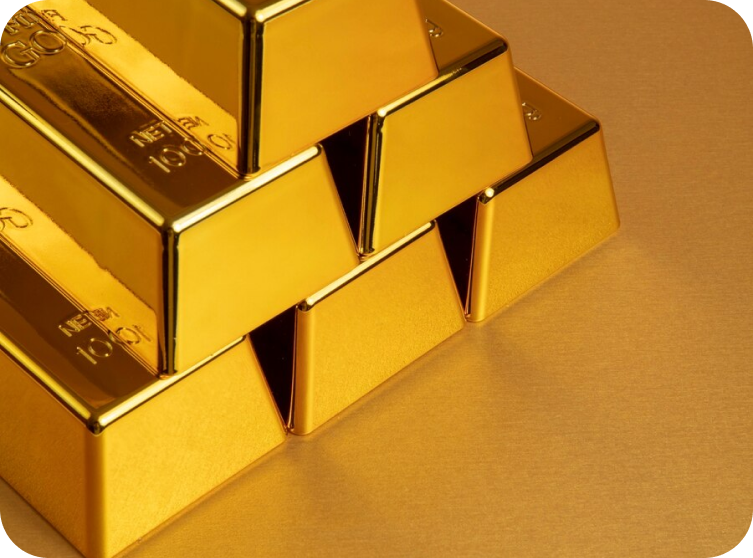
You can sell broken jewelry when it has recoverable material value or a practical path to repair. Gold jewelry is the clearest example. A bent 14K bracelet or a broken 10K chain still contains gold, and its weight and purity can give it real value even if it cannot be worn as-is.
Sterling silver works similarly, although silver scrap values are generally lower than gold values. A damaged sterling turquoise ring, for example, may be worth more than its silver weight if the stone is intact, the setting is well made, or the piece reflects a recognizable vintage style. Older Native and artisan jewelry deserves a careful evaluation rather than an automatic scrap offer. Hallmarks, construction, stone quality, and condition all matter.
Costume jewelry is more dependent on design and components. A broken rhinestone brooch may have little metal value, but its signed maker, unusual stones, intact findings, or sought-after mid-century design can make it useful to collectors and repair specialists. One missing rhinestone is different from widespread corrosion, peeling finish, or missing major parts.
What Makes Broken Jewelry Valuable?
Condition affects value, but it is only one part of the equation. A fair buyer will first identify the metal. Look for marks such as 10K, 14K, 18K, 925, Sterling, or Plat. These markings are helpful, but they are not a guarantee on their own. Professional testing helps confirm what a piece is actually made of.
Weight matters for precious metals. A heavy broken gold necklace can be more valuable than a lightweight, wearable piece of plated jewelry. Still, do not assume every gold-colored item is gold. Gold-filled, gold-plated, vermeil, and base-metal jewelry have different values. The same goes for silver-tone jewelry that is not sterling.
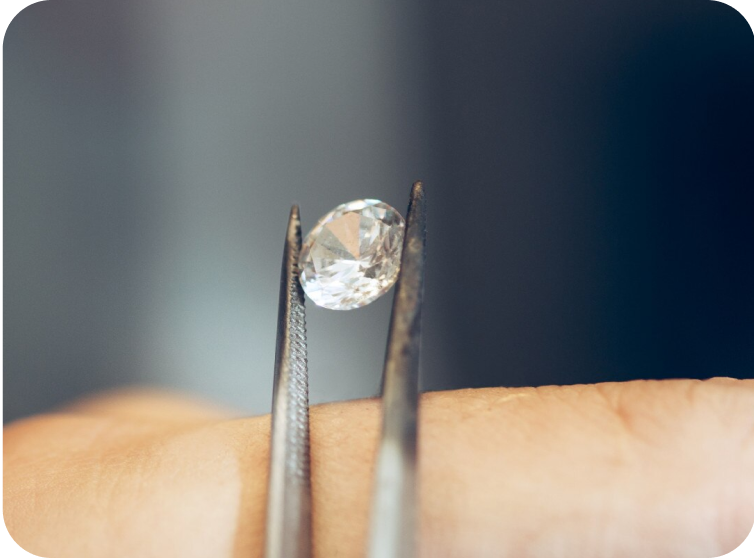
Gemstones can change the picture. Diamonds, natural turquoise, jade, coral, onyx, opal, and other stones may retain value if they are genuine and in good condition. A cracked stone, badly chipped cabochon, or missing center stone usually lowers the offer because replacement and repair costs add up quickly. Yet a damaged setting with a quality stone can still be worth selling.
Age and design can matter just as much as materials. Vintage jewelry is not valuable simply because it is old, but a well-made older piece may have features that are hard to find in modern jewelry. Hand-fabricated silverwork, signed pieces, unusual clasps, carved stones, and well-preserved vintage details can give a buyer reason to repair rather than scrap it.
When Repair Value Is Better Than Scrap Value
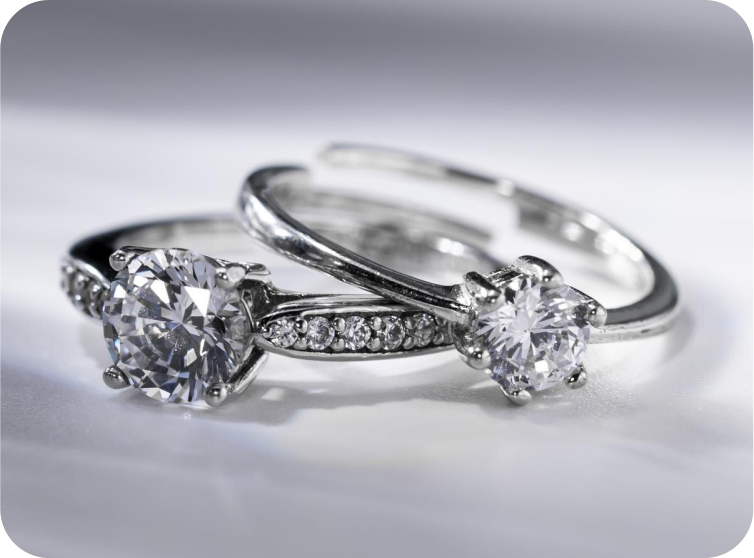
A piece is more likely to have repair value when the damage is limited and the rest of the jewelry is desirable. Think of a sterling silver necklace with a broken clasp, a gold ring that needs resizing, or a vintage earring with a loose stone. These are common jewelry repairs, and a buyer may be able to restore the piece without excessive cost.
More extensive damage changes the calculation. A crushed hollow gold chain can be difficult to repair cleanly. A bracelet with multiple broken links may require more labor than it is worth. Plated costume jewelry often cannot be soldered or refinished without obvious changes to the finish. In those situations, a buyer may value the metal, stones, or salvageable components instead.
Do not try to glue a stone back in or straighten a badly bent piece before selling it. Household glue can damage a setting, cloud a stone, and make a professional repair harder. A quick home fix may also hide the actual condition from the buyer, which can delay an offer. Leave the piece as it is and describe the issue plainly.
How to Prepare Broken Jewelry to Sell
Start by gathering all of the related pieces. Put a broken chain segment with its pendant, keep a loose stone with its ring if possible, and include both earrings even if only one is damaged. Matching components can make a meaningful difference in value.
Take clear photos in natural light or under a bright lamp. Photograph the front and back, close-ups of any markings, and the damaged area. If a clasp is broken, show it. If a stone is missing, photograph the empty setting. Clear information helps a jewelry buyer assess whether the piece is best considered for repair, resale, or material value.
If you have receipts, appraisals, original boxes, or information about where the jewelry came from, keep them with the item. These documents do not create value by themselves, and an old appraisal may not reflect the current market, but they can provide useful context. This is particularly true for diamond jewelry, watches, signed costume pieces, and estate jewelry with a known history.
Avoid aggressive cleaning. Tarnished sterling can be cleaned professionally, but harsh dips, abrasive polishing cloths, and chemical cleaners can damage patina or porous stones such as turquoise, coral, pearls, and opal. A soft dry cloth is enough for most pieces before an evaluation.
Choosing the Right Buyer
The best place to sell depends on what is broken. A general scrap buyer may be appropriate for plain, damaged gold with no design or collectible value. But a specialized vintage jewelry buyer is often a better fit for sterling jewelry, turquoise, signed pieces, artisan work, estate items, and jewelry with intact stones.
Ask how the buyer evaluates the piece. A straightforward offer should account for confirmed metal purity and weight, along with gemstones, design, maker marks, and the cost of repair when relevant. Be cautious if someone makes an immediate offer without looking at markings, testing metal, or asking about missing components.
Pawn shops and local jewelers can be convenient, but their offers and buying focus vary widely. Selling privately can bring a higher price for an attractive repairable piece, though it takes time, photography, listing work, and comfort dealing with buyers. For many sellers, a direct jewelry buyer offers a simpler route and a clearer understanding of vintage materials. Vintage Jewelry Trade evaluates directly sourced jewelry with attention to authenticity, testing, and fair resale value.
A Few Pieces Worth Checking Twice
Before treating anything as scrap, set aside jewelry that includes a maker’s mark, a signature, a clear precious-metal stamp, natural stone inlays, or unusually detailed handwork. These pieces may deserve an individual review. A broken Navajo-style turquoise cuff without provenance should not be represented as Native-made, but it can still be evaluated for its materials and workmanship. Authenticity and attribution need to be handled carefully.
Watches also deserve a second look. A nonworking vintage watch may have gold content, a collectible case, an original bracelet, or parts that interest a watch buyer. Do not discard detached links, buckles, or broken bands. They can help identify a piece or add to its precious-metal weight.
Broken jewelry does not need to become clutter forever. Put the matching parts together, keep repairs out of your own hands, and let a knowledgeable buyer determine whether your piece has value as metal, a restoration project, or a distinctive vintage find.